

Planning a wedding is exciting, but the final few weeks can quickly become overwhelming. As your wedding day approaches, there are countless details to confirm, vendors to coordinate, and personal preparations to complete. Even small tasks, such as forgetting to pack your wedding rings or confirm a vendor’s arrival time, can create unnecessary stress on one of the most important days of your life.
A well-organized last-minute wedding planning checklist helps you stay on top of every detail. Instead of scrambling to remember everything, you’ll have a clear plan that keeps you organized, confident, and prepared. Whether you’re planning an intimate ceremony or a grand celebration, having a final checklist ensures nothing important slips through the cracks.
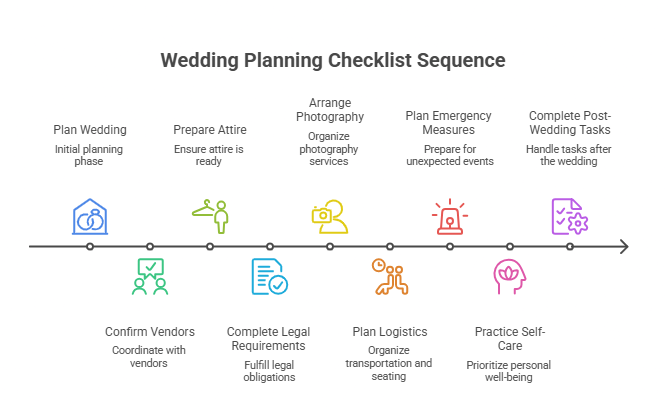
In this complete guide, you’ll discover everything you need to do before your wedding day. We’ll cover vendor coordination, attire, legal requirements, photography, logistics, emergency planning, self-care, and even post-wedding tasks. By following this checklist, you can spend less time worrying about unfinished tasks and more time enjoying one of the happiest moments of your life.
Why a Last-Minute Wedding Checklist Matters
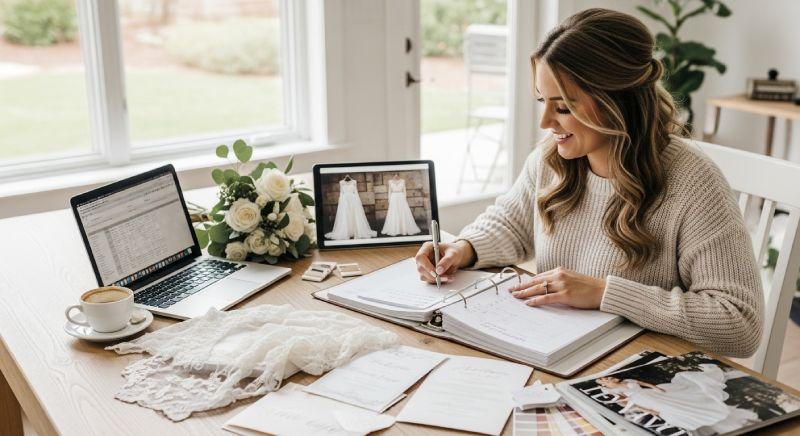
The final weeks before your wedding are often the busiest part of the planning journey. While most major decisions have already been made, many small but essential tasks still require your attention. Missing even one important detail can lead to unnecessary stress or last-minute confusion.
A last-minute wedding checklist acts as your final roadmap. It helps you organize every remaining task, prioritize what needs immediate attention, and ensure nothing is forgotten before the big day.
Using a checklist also improves communication with your wedding vendors, family members, and bridal party. Everyone knows their responsibilities, timelines become easier to follow, and the chances of misunderstandings are greatly reduced.
Another major benefit is stress reduction. Instead of trying to remember dozens of small tasks, you can simply work through your checklist one item at a time. This allows you to feel more confident and in control during the final countdown.
A comprehensive checklist also prepares you for unexpected situations. From packing an emergency kit to confirming backup plans for transportation or weather, being prepared helps you handle surprises calmly and efficiently.
Most importantly, completing these final preparations allows you to fully enjoy your wedding day. Rather than solving problems or making last-minute phone calls, you can focus on celebrating your love, spending time with your family and friends, and creating memories that will last a lifetime.
Vendor Coordination
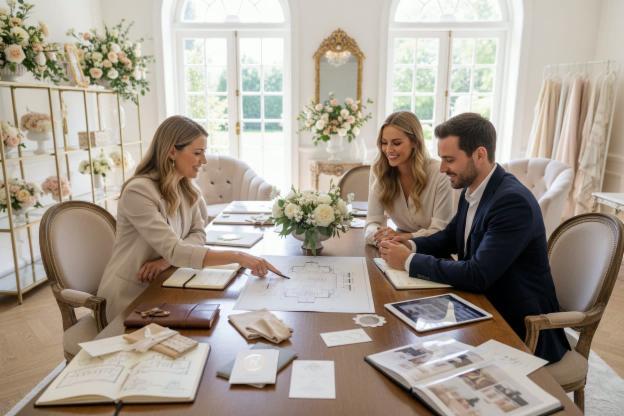
Your wedding vendors play a crucial role in bringing your dream celebration to life. During the final weeks before the wedding, it’s important to reconnect with every vendor and confirm that all arrangements are in place. A few phone calls or emails can prevent misunderstandings and ensure everyone is working according to the same schedule.
Creating a master list of all vendors, along with their contact details, arrival times, payment status, and responsibilities, can help you stay organized. Share this list with your wedding planner or a trusted family member so someone can assist with coordination on the wedding day.
Confirm Arrival Times
Contact every vendor at least one week before the wedding to confirm their arrival and setup times. This includes your photographer, videographer, florist, caterer, makeup artist, hairstylist, entertainment team, decorator, transportation provider, and anyone else involved in your celebration.
Double-check the venue address, parking instructions, loading areas, and the contact person they should reach if they encounter any issues. Sending a final timeline to all vendors helps ensure everyone is aligned and reduces the chances of delays.
Finalize All Payments
Review every vendor contract and make sure all remaining balances are paid before the wedding day whenever possible. This allows you to enjoy the celebration without worrying about financial transactions or payment reminders.
Keep digital copies of invoices, receipts, and payment confirmations on your phone. It’s also a good idea to print important payment records and store them in a wedding folder for quick access if needed.
Prepare Tip Envelopes
If you plan to tip your vendors, prepare labeled envelopes in advance. Include the correct amount in each envelope and assign a trusted family member, friend, or wedding planner to distribute them during or after the event.
Common vendors who may receive tips include photographers, videographers, musicians, DJs, drivers, catering staff, hair and makeup artists, and venue coordinators. Preparing everything beforehand ensures the process is smooth and prevents you from searching for cash during your celebration.
Arrange Supplier Meals
Many wedding vendors work long hours without extended breaks. If they will be present during meal times, coordinate with your caterer to arrange vendor meals in advance.
Providing meals is a thoughtful gesture that helps your vendors stay energized throughout the event. It also ensures they remain on-site and available whenever their services are needed.
Confirm Dietary Restrictions
Review your guest list one final time and verify any dietary preferences or food allergies. Inform your caterer about vegetarian, vegan, gluten-free, Jain, halal, or allergy-related meal requests so appropriate arrangements can be made.
If children or elderly guests require special meals, communicate these requirements well in advance. Taking care of these details helps every guest enjoy the celebration comfortably.
Conduct a Final Venue Walkthrough
Schedule a walkthrough of your wedding venue a few days before the event. Walk through the ceremony area, reception space, bridal suite, restrooms, parking area, and vendor setup locations to ensure everything matches your expectations.
During the walkthrough, confirm seating arrangements, stage placement, lighting, décor setup, sound system, power outlets, and backup plans for unexpected weather. This final inspection gives you confidence that every detail has been carefully planned.
Verify Permits, Licenses, and Deposits
Some venues require permits, security deposits, or special permissions before hosting an event. Contact the venue manager to confirm that all paperwork has been completed and any outstanding deposits have been paid.
If your ceremony requires a marriage license or other legal documentation beforehand, verify that everything is ready well before the wedding day. Completing these administrative tasks early helps you avoid unnecessary stress during the final countdown.
Attire and Styling
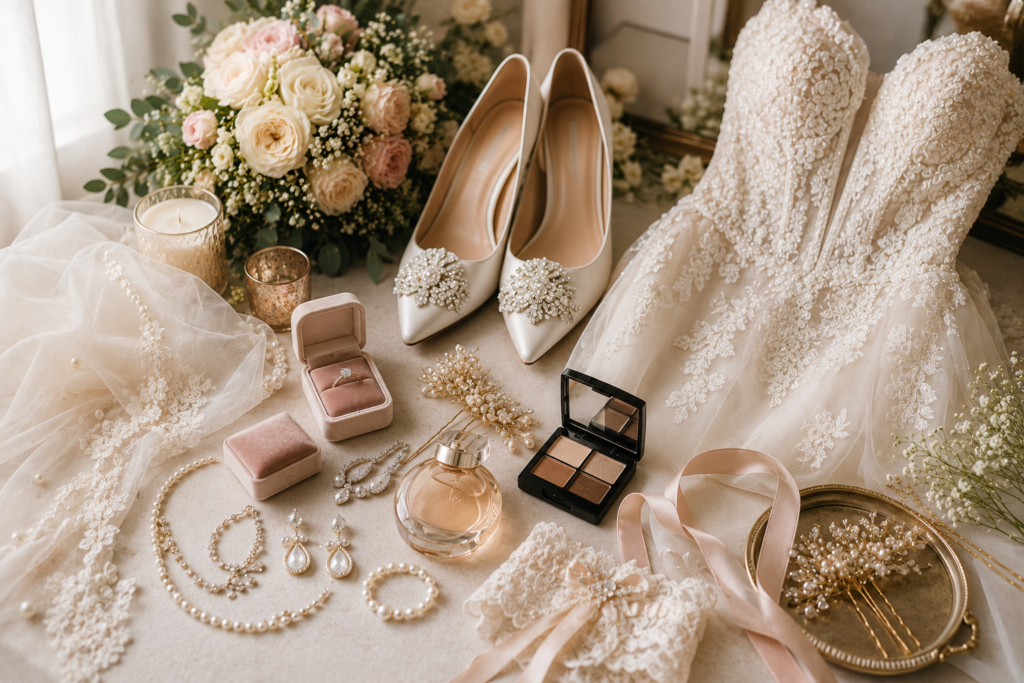
Looking and feeling your best on your wedding day starts with proper preparation. During the final week before the wedding, make sure every outfit, accessory, and styling detail is ready well in advance. This helps you avoid last-minute panic and allows you to enjoy getting ready without unnecessary stress.
Create a checklist for both the bride and groom so nothing is overlooked. From wedding attire and footwear to jewelry and grooming essentials, having everything organized in one place makes the wedding morning much smoother.
Schedule Your Final Dress or Outfit Fitting
Plan your final fitting a few days before the wedding to ensure your outfit fits perfectly. Whether you’re wearing a bridal gown, saree, lehenga, sherwani, or suit, check that all alterations have been completed and you’re comfortable moving, sitting, and walking.
Bring the shoes and accessories you’ll wear on the wedding day to the fitting. This helps your tailor make any final adjustments for the perfect fit.
Practice the Dress Bustle
If your wedding gown has a long train, learn how to bustle it before the reception. Ask your bridal consultant or tailor to demonstrate the process and have a bridesmaid or family member practice it as well.
Knowing how to secure the train properly will make it easier to walk, dance, and greet guests without damaging your dress.
Break In Your Wedding Shoes
Avoid wearing brand-new shoes for the first time on your wedding day. Wear them around your home for short periods to soften the material and reduce the risk of blisters.
If your ceremony or reception involves standing for long hours, consider adding cushioned insoles for extra comfort. Comfortable footwear allows you to enjoy every moment without unnecessary foot pain.
Steam or Press Your Wedding Attire
Inspect all wedding outfits a day or two before the ceremony. Steam or professionally press dresses, suits, sarees, veils, dupattas, and shawls to remove wrinkles and ensure everything looks flawless.
Hang each outfit in a garment bag after steaming to keep it clean and protected until it’s time to get dressed.
Organize Garment Bags and Hangers
Store every wedding outfit in high-quality garment bags to protect them during transportation. Use sturdy hangers that can support the weight of heavier bridal attire without bending or breaking.
Label each garment bag if multiple outfits are being used for different ceremonies. This makes it easy for family members or the bridal party to locate the correct attire.
Double-Check All Accessories
Gather every accessory you’ll need and place them in a dedicated box or organizer. This prevents last-minute searching while getting ready.
Your accessory checklist may include:
- Wedding rings
- Necklace and earrings
- Bangles or bracelets
- Hair accessories
- Veil or headpiece
- Tie or bow tie
- Belt
- Cufflinks
- Pocket square
- Watch
- Socks
- Bridal bouquet
Check each item at least twice to ensure nothing has been forgotten.
Remember the “Something Old, Something New” Tradition
Many brides choose to follow the tradition of carrying “Something Old, Something New, Something Borrowed, and Something Blue.” While it’s optional, it adds sentimental value and has become a meaningful part of many weddings.
Gather these items several days before the ceremony instead of leaving them until the last minute. This gives you enough time to replace anything if needed.
Pack a Comfortable Pair of Backup Shoes
Wedding days often involve hours of standing, walking, dancing, and greeting guests. Bringing a comfortable pair of flats or sandals can provide much-needed relief during the reception.
Choose footwear that complements your outfit while giving your feet a chance to rest. Your comfort will help you stay energetic and enjoy every part of your celebration.
Legal and Ceremony
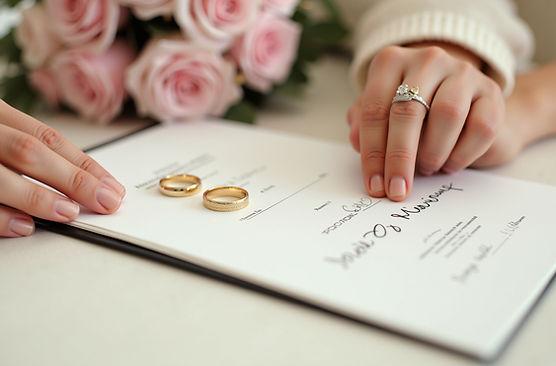
The legal and ceremonial aspects of your wedding are just as important as the decorations and celebrations. Taking care of these final details in advance ensures your ceremony runs smoothly and helps you avoid unnecessary stress on your wedding day.
Set aside time during the final week to review all legal documents, ceremony arrangements, and important items. Having everything organized beforehand allows you to focus on enjoying the moment instead of worrying about unfinished tasks.
Secure Your Marriage License
If your location requires a marriage license before the ceremony, make sure it has been obtained well in advance. Check that all information is accurate and that the license remains valid for your wedding date.
Keep the license in a secure folder along with any other important documents you’ll need on the wedding day. Assign a trusted family member or your wedding planner to bring it to the ceremony if necessary.
Confirm the Wedding Rings
Your wedding rings symbolize your lifelong commitment, making them one of the most important items for your big day. A few days before the wedding, inspect both rings to ensure they fit comfortably and are free from damage.
Clean the rings if needed and place them in a secure ring box. Decide who will be responsible for bringing and safeguarding them during the ceremony, whether it’s the best man, maid of honor, or a designated family member.
Print Your Vows and Speeches
If you’ve written personal vows, speeches, or special readings, print multiple copies instead of relying solely on your phone. Electronic devices can run out of battery or experience technical issues at inconvenient times.
Place one copy in your wedding folder and keep another with the person delivering the speech. Having printed versions ensures everything goes according to plan, even if unexpected situations arise.
Finalize the Processional Order
Review the ceremony processional one final time with your officiant and wedding party. Confirm the order in which everyone will walk down the aisle, including parents, grandparents, bridesmaids, groomsmen, flower girls, ring bearers, and the bride.
Conducting a final review helps everyone understand their role and reduces confusion during the ceremony.
Attend the Wedding Rehearsal
A wedding rehearsal allows everyone involved to become familiar with the ceremony timeline. It provides an opportunity to practice entrances, exits, seating arrangements, and important moments before the actual event.
Encourage every member of the wedding party to attend the rehearsal. The more prepared everyone feels, the more relaxed and confident they’ll be on the wedding day.
Coordinate with Your Officiant
Meet or speak with your officiant during the final week to review every aspect of the ceremony. Confirm the ceremony duration, exchange of vows, ring ceremony, cultural or religious traditions, and any personalized elements you’ve requested.
If there are special family customs or readings, discuss them in advance so your officiant understands the flow of the ceremony and can guide everyone smoothly.
Review the Seating Plan
Take one final look at your seating arrangement before sending it for printing. Confirm guest names, table assignments, reserved seating, and accessibility arrangements for elderly guests or those with special needs.
Share the finalized seating chart with your venue coordinator, planner, and catering team. This helps ensure a smooth guest arrival experience and prevents last-minute seating confusion.
Prepare Reserved Seating Signs
Reserve seats for immediate family members, grandparents, close relatives, and anyone participating in the ceremony. Clearly labeled reserved signs help guests find their seats easily and prevent accidental seating mix-ups.
Place the signs before guests begin arriving so ushers can guide everyone efficiently. This simple step helps the ceremony begin on time and creates a welcoming experience for your loved ones.
Photography and Music

Photography and music are two of the most memorable parts of any wedding. Beautiful photographs preserve your special moments for a lifetime, while the right music creates the perfect atmosphere throughout the celebration. Taking time to organize these details before the wedding ensures everything flows naturally on your big day.
Meet with your photographer, videographer, DJ, or live band during the final week to review your expectations. Sharing a detailed timeline and discussing important moments helps everyone stay coordinated and capture every unforgettable memory.
Create a Must-Have Photo List
Every couple has moments they never want to miss. Preparing a list of must-have photographs ensures your photographer captures every important memory, especially during busy parts of the day.
Your photo checklist may include:
- Bride getting ready
- Groom getting ready
- Wedding attire and accessories
- First look
- Ceremony entrance
- Exchange of vows
- Ring exchange
- First kiss
- Family portraits
- Bridal party photos
- Couple portraits
- Reception décor
- Cake cutting
- First dance
- Parent dances
- Candid guest moments
- Sunset or golden hour portraits
- Grand exit
Share this list with your photographer a few days before the wedding so they can plan the shooting schedule accordingly.
Designate a Family Photo Coordinator
Family portraits often take longer than expected because relatives may be scattered around the venue. Assign a trusted family member or close friend who knows both families to help gather everyone for group photos.
This person can quickly locate relatives, organize everyone according to the photographer’s instructions, and keep the photo session running efficiently. It saves valuable time and allows you to spend more time celebrating with your guests.
Plan for Golden Hour Photos
Golden hour, the period shortly before sunset, offers soft natural lighting that creates stunning wedding portraits. Discuss the sunset timing with your photographer and schedule 20 to 30 minutes during your reception for these photos.
These portraits often become some of the most beautiful images in your wedding album. Planning them in advance ensures you don’t miss this perfect lighting opportunity.
Finalize Your Music Playlist
Music sets the mood for every stage of your wedding celebration. Review your playlists with your DJ or band and confirm the songs for each important moment.
Your wedding playlist should include music for:
- Guest arrival
- Ceremony processional
- Bride’s entrance
- Signing ceremony (if applicable)
- Recessional
- Cocktail hour
- Reception entrance
- First dance
- Parent dances
- Cake cutting
- Bouquet toss
- Open dance floor
- Last dance
- Grand exit
If there are songs you don’t want played, provide your DJ with a “Do Not Play” list to avoid unwanted surprises.
Review the DJ or Band Timeline
Meet with your DJ or band leader to review the complete event schedule. Confirm when announcements will be made, when speeches will begin, and the timing of special dances, games, and entertainment.
Sharing a detailed timeline helps your entertainment team coordinate with photographers, videographers, and the venue staff. When everyone follows the same schedule, transitions between events feel smooth and natural.
Test Audio Equipment
If your venue provides microphones, speakers, or sound systems, request an audio test before guests arrive. Ensure microphones work properly for vows, speeches, and announcements, and check that music can be heard clearly throughout the venue.
Testing the equipment in advance reduces the risk of technical issues during important moments. A few minutes spent checking the sound system can make a significant difference in your guests’ overall experience.
Share the Final Timeline with Your Photography Team
Provide your photographer and videographer with a detailed wedding timeline that includes every important event from the beginning of the day until the reception ends. Include addresses, travel times, family photo sessions, and any cultural or religious traditions they should capture.
The more information your photography team has, the better prepared they will be to document every meaningful moment without missing a single detail.
Logistics and Printing
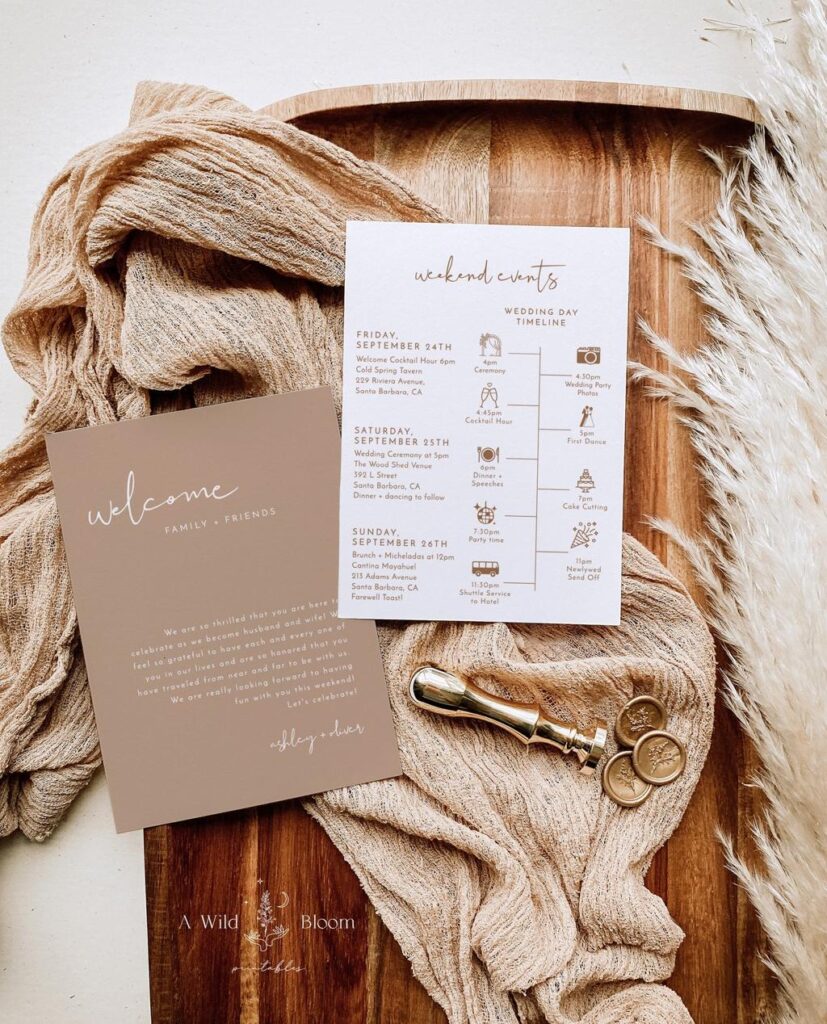
As your wedding day approaches, organizing the logistics becomes just as important as choosing the perfect venue or attire. A well-planned schedule ensures everyone knows where they need to be and when, helping your celebration run smoothly from start to finish.
Take time during the final week to review every logistical detail. From printed materials and transportation to accommodation and gift management, handling these tasks in advance allows you to enjoy your wedding day without unnecessary interruptions.
Review All Printed Materials
Go through every printed item before sending it to the venue. Check for spelling mistakes, incorrect dates, missing names, or formatting issues to avoid last-minute reprints.
Your printed materials may include:
- Wedding invitations (if any remain)
- Ceremony programs
- Welcome sign
- Seating chart
- Table numbers
- Place cards
- Menu cards
- Directional signs
- Thank-you cards
Ask a family member or friend to review everything with fresh eyes, as they may notice small errors you’ve overlooked.
Share the Wedding Timeline
Prepare a detailed wedding day timeline that outlines every important event from morning preparations to the reception’s conclusion. Include vendor arrival times, ceremony start time, photography sessions, meals, speeches, and entertainment.
Share this timeline with your wedding planner, vendors, bridal party, close family members, and venue coordinator. When everyone follows the same schedule, the day feels organized and stress-free.
Arrange Guest Transportation
If you’ve arranged transportation for guests, confirm all booking details with the transportation provider a few days before the wedding. Verify pickup locations, departure times, routes, and the driver’s contact information.
Share transportation details with guests in advance so they know exactly where and when to board. This helps everyone arrive on time and minimizes confusion.
Organize Bridal Party Transportation
The bride, groom, bridesmaids, and groomsmen should also have a clear transportation plan. Whether you’re using luxury cars, buses, or private vehicles, ensure everyone knows their pickup time and destination.
Assign a coordinator to communicate with drivers throughout the day. This keeps the schedule on track and helps prevent delays between locations.
Confirm Accommodation Arrangements
If you, your family, or out-of-town guests are staying at a hotel or resort, reconfirm every reservation before arrival. Verify check-in times, room allocations, and any special requests made during booking.
If you’re planning to stay elsewhere after the reception, pack everything you’ll need in advance and make transportation arrangements ahead of time. This allows you to leave the venue without worrying about forgotten belongings.
Assign Someone to Manage Gifts
Wedding gifts and envelopes can quickly accumulate during the reception. Choose a trusted family member or close friend to collect, organize, and safely transport all gifts after the celebration.
Provide them with secure boxes or bags for storing cards, cash gifts, and valuable presents. This simple responsibility gives you peace of mind while you enjoy your special day.
Prepare an Important Contact List
Create a master contact list that includes the phone numbers of all vendors, family members, wedding party members, and emergency contacts. Save this list on your phone and print a copy for your wedding planner or coordinator.
Having quick access to important contacts makes it easier to resolve unexpected situations without unnecessary delays.
Keep Essential Documents Together
Store all important documents in one organized folder that is easy to access. This may include vendor contracts, payment receipts, venue agreements, hotel confirmations, transportation details, ceremony schedule, and emergency contact information.
Keeping everything in one place saves valuable time and ensures you don’t have to search for important paperwork on your wedding day.
Packing and Survival
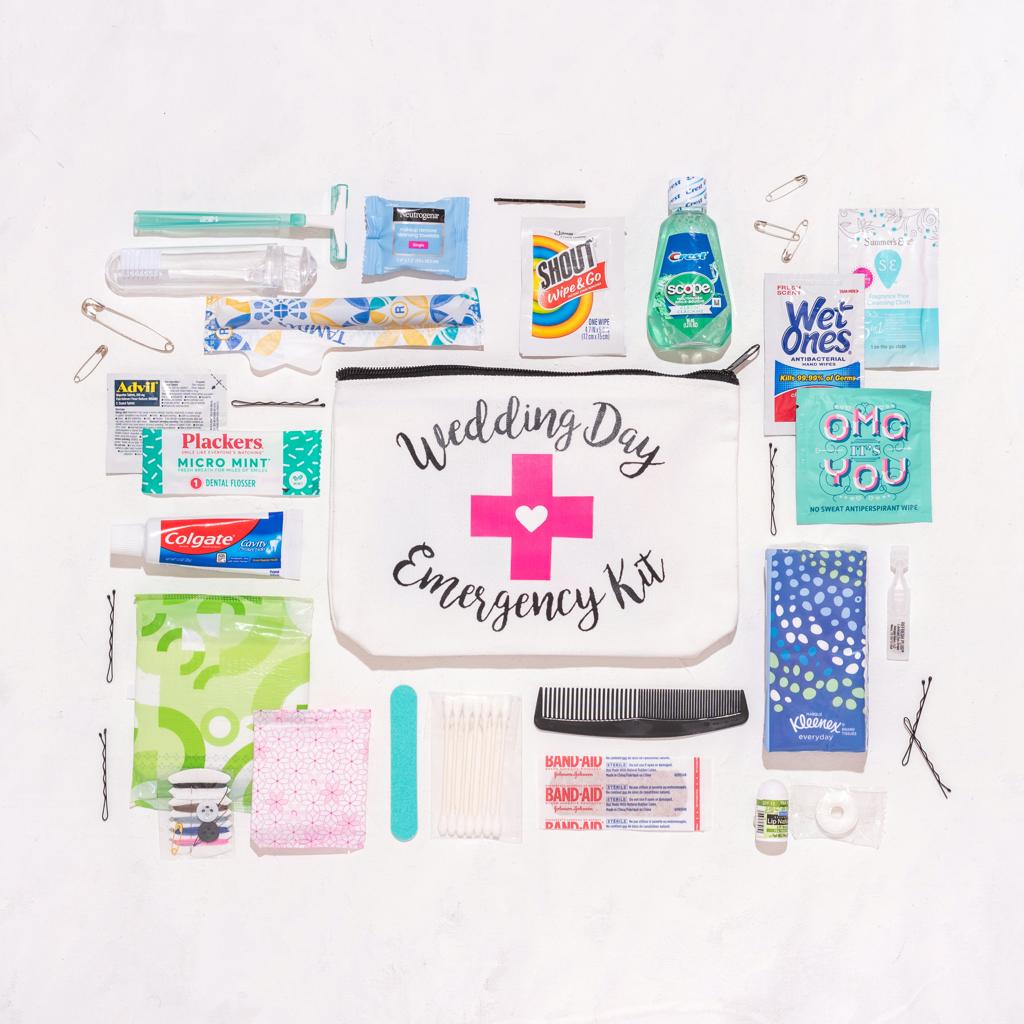
No matter how carefully you’ve planned your wedding, unexpected situations can still happen. Packing a well-organized wedding survival kit ensures you’re prepared for minor emergencies without letting them affect your special day.
Start packing your essential items a few days before the wedding instead of waiting until the last minute. Use a dedicated bag or organizer so everything is easy to find when you need it.
Pack a Wedding Emergency Kit
A wedding emergency kit can quickly solve small problems that may arise throughout the day. From wardrobe malfunctions to unexpected headaches, having the right supplies nearby can save valuable time and reduce stress.
Your emergency kit should include:
- Safety pins
- Sewing kit
- Fashion tape
- Double-sided tape
- Stain remover pen
- Extra buttons
- Hair pins
- Hair ties
- Makeup for touch-ups
- Compact mirror
- Deodorant
- Tissues
- Wet wipes
- Cotton swabs
- Bandages
- Pain relievers
- Antacids
- Hand sanitizer
- Breath mints
- Scissors
- Phone charger
- Power bank
Give the emergency kit to your maid of honor, best man, or wedding planner so it’s always within reach.
Pack Your Honeymoon Bags
If you’re leaving for your honeymoon shortly after the wedding, finish packing your luggage several days in advance. Waiting until the night before the wedding often leads to forgotten essentials and unnecessary stress.
Include clothing, travel documents, identification, medications, chargers, toiletries, and any reservation confirmations you’ll need during your trip. Keep passports, tickets, and important documents in a secure travel folder.
Prepare an Overnight Bag
Many couples stay at a hotel or different location after their wedding reception. Pack an overnight bag with everything you’ll need for the first night after the celebration.
Your overnight bag may include:
- Comfortable clothes
- Sleepwear
- Toiletries
- Skincare products
- Contact lenses or glasses
- Phone charger
- Change of clothes
- Personal medications
Keeping these items separate from your honeymoon luggage makes them easier to access after a long and exciting day.
Prepare Gifts for Parents and the Wedding Party
If you’re planning to give thank-you gifts to your parents, bridesmaids, groomsmen, or other special people, wrap and label each gift before the wedding day.
Assign someone you trust to distribute the gifts at the appropriate time. Preparing everything in advance ensures you don’t forget to express your appreciation.
Charge All Electronic Devices
Fully charge your phone, smartwatch, camera batteries, wireless microphones, and power banks the night before the wedding. If possible, bring extra charging cables and backup batteries.
Since you’ll likely be using your phone throughout the day for communication, navigation, and photos, having a fully charged device is essential.
Pack Daily Medications
If you take prescription medication or vitamins, pack enough for the wedding day and the following day. Include any allergy medicine, pain relievers, or other personal healthcare items you may need.
Place medications in a clearly labeled pouch so they can be accessed quickly if necessary.
Keep Water and Healthy Snacks Nearby
Wedding days are often busy, and many couples forget to eat or drink enough water. Staying hydrated and maintaining your energy levels helps you feel your best throughout the celebration.
Pack light snacks such as protein bars, mixed nuts, fruit, or crackers that you can eat during breaks. Drinking plenty of water before and during the event also helps prevent fatigue and dehydration.
Assign Someone to Handle Personal Belongings
During the wedding, you’ll have several personal items such as your phone, wallet, keys, jewelry box, extra shoes, and emergency kit. Assign a trusted family member, friend, or wedding planner to look after these belongings.
Knowing someone is responsible for your valuables allows you to enjoy every moment of your celebration without constantly worrying about where your items are.
Self-Care and Wellness

Amid all the excitement and final preparations, it’s easy to forget to take care of yourself. Your wedding day is a celebration of love, and you’ll enjoy it much more if you feel healthy, relaxed, and well-rested. Prioritizing your physical and mental well-being during the final week can make a significant difference in your overall experience.
Remember that not every detail has to be perfect. Focus on what truly matters—celebrating this special milestone with your partner, family, and friends.
Schedule Your Final Beauty Appointments
Book your final beauty appointments at least a few days before the wedding rather than the day before. This includes haircuts, hair coloring, facials, manicures, pedicures, eyebrow grooming, waxing, or any other beauty treatments.
Avoid trying new skincare products or cosmetic treatments just before the wedding. Sticking to your regular routine reduces the risk of unexpected skin irritation or allergic reactions.
Groom’s Grooming Checklist
The groom should also schedule any grooming appointments in advance. Haircuts, beard trims, shaving, and skincare should be completed a few days before the wedding to achieve a fresh and polished look.
Don’t forget to prepare your outfit, shoes, watch, cufflinks, and other accessories ahead of time. Being organized allows you to enjoy the morning without rushing.
Make Time to Relax
Wedding planning can be emotionally and physically exhausting. Set aside some quiet time during the final few days to relax and recharge.
Whether it’s reading a book, listening to music, meditating, taking a walk, or spending time with loved ones, even a short break can help reduce stress and improve your mood.
Practice Your First Kiss and First Dance
If you’ve planned a choreographed first dance or have specific ideas for your ceremony, take some time to practice together. Becoming familiar with these special moments helps you feel more confident on the wedding day.
Don’t worry about making everything perfect. The most memorable moments are often the genuine smiles and natural emotions you share with your partner.
Write a Letter to Your Partner
Many couples choose to exchange handwritten letters on the morning of their wedding. Writing down your thoughts, appreciation, and excitement creates a meaningful keepsake that you’ll treasure for years.
Take your time and write from the heart. A simple, sincere message often means more than perfectly crafted words.
Eat a Healthy Breakfast
It’s common for couples to feel too nervous to eat on their wedding day, but skipping meals can leave you feeling weak and tired. Start your day with a balanced breakfast that includes protein, whole grains, and fresh fruit.
Choose foods that are familiar and easy to digest. Avoid heavy or overly spicy meals that could make you feel uncomfortable during the ceremony.
Stay Hydrated Throughout the Day
Drink plenty of water before the ceremony and continue staying hydrated throughout the celebration. Dehydration can lead to headaches, fatigue, and reduced energy levels, especially during outdoor weddings or warmer weather.
Keep a reusable water bottle nearby while getting ready. Ask a member of your wedding party to remind you to drink water between activities.
Get a Good Night’s Sleep
One of the best things you can do before your wedding is get enough sleep. Aim for at least seven to eight hours of rest the night before to wake up feeling refreshed and energized.
If you’re feeling anxious, avoid spending hours checking your to-do list late at night. Trust the planning you’ve already completed, put away your phone, and allow yourself to relax before your big day.
Enjoy the Moment
When the wedding day finally arrives, take a few moments to pause and appreciate everything around you. Spend time with your loved ones, smile often, and don’t let small imperfections distract you from the joy of the occasion.
Years from now, you’ll remember the emotions, laughter, and meaningful moments far more than any minor detail that didn’t go exactly as planned. Embrace the experience and enjoy every second of your special day.
Post-Wedding Tasks
Although your wedding day may be over, there are still a few important tasks to complete in the days and weeks that follow. Taking care of these responsibilities promptly helps you wrap up your wedding planning journey while preserving memories and expressing gratitude to everyone who made your celebration special.
Creating a simple post-wedding checklist ensures nothing is forgotten once you return from your honeymoon or settle back into your daily routine.
Return Rental Items
If you’ve rented décor, furniture, lighting, suits, jewelry, or other wedding items, check the return dates and conditions outlined in your rental agreements. Returning items on time helps you avoid late fees or additional charges.
Inspect every rented item before returning it to ensure nothing is damaged or missing. Keep copies of return receipts until all deposits have been refunded.
Submit Your Signed Marriage License
If your local laws require the signed marriage license to be submitted after the ceremony, complete this process as soon as possible. Confirm who is responsible for filing the document, whether it’s your officiant or the couple.
Once the marriage has been officially registered, order certified copies of your marriage certificate if you’ll need them for legal or administrative purposes, such as updating identification documents or bank records.
Clean and Preserve Your Wedding Attire
Your wedding attire holds sentimental value and deserves proper care after the celebration. Arrange for professional cleaning as soon as possible, especially if your dress, saree, lehenga, or suit has stains from food, makeup, or outdoor photography.
If you plan to preserve your wedding attire as a keepsake, choose a professional preservation service that specializes in delicate fabrics. Proper storage helps protect your outfit for many years.
Organize Your Wedding Photos and Videos
Your photographer and videographer will usually send previews before delivering the complete collection. Once you receive your wedding photos and videos, create backup copies on multiple devices or cloud storage to keep them safe.
Take time to organize your favorite images into albums and share selected memories with family and friends. Preserving your wedding memories ensures you can revisit them for years to come.
Leave Reviews for Your Vendors
If your vendors provided excellent service, consider leaving honest online reviews to support their businesses. Positive feedback helps future couples make informed decisions and shows appreciation for the professionals who contributed to your special day.
Mention specific details about your experience, such as professionalism, communication, punctuality, and the quality of their work. Thoughtful reviews are valuable for both vendors and future clients.
Send Personalized Thank-You Notes
Your guests invested their time, effort, and thoughtful gifts to celebrate your wedding with you. Sending personalized thank-you notes is a meaningful way to express your appreciation.
Aim to send your thank-you cards within a few weeks of the wedding. Mention the specific gift or kind gesture whenever possible, making each message feel genuine and personal.
Update Important Documents
If you plan to change your surname or update your marital status, begin the process after receiving your official marriage certificate. This may include updating your passport, driver’s license, bank accounts, insurance policies, and other legal documents.
Prepare a checklist of organizations that need your updated information. Completing these updates systematically helps avoid confusion later.
Preserve Your Wedding Memories
Beyond photos and videos, consider preserving other meaningful keepsakes from your wedding. Your invitation, vows, bouquet, guest book, and handwritten letters can all become treasured reminders of your special day.
Store these items in a memory box or scrapbook where they’ll remain protected. Looking back on these keepsakes in the future can bring back the joy and emotions of your wedding day.
Common Last-Minute Wedding Mistakes to Avoid
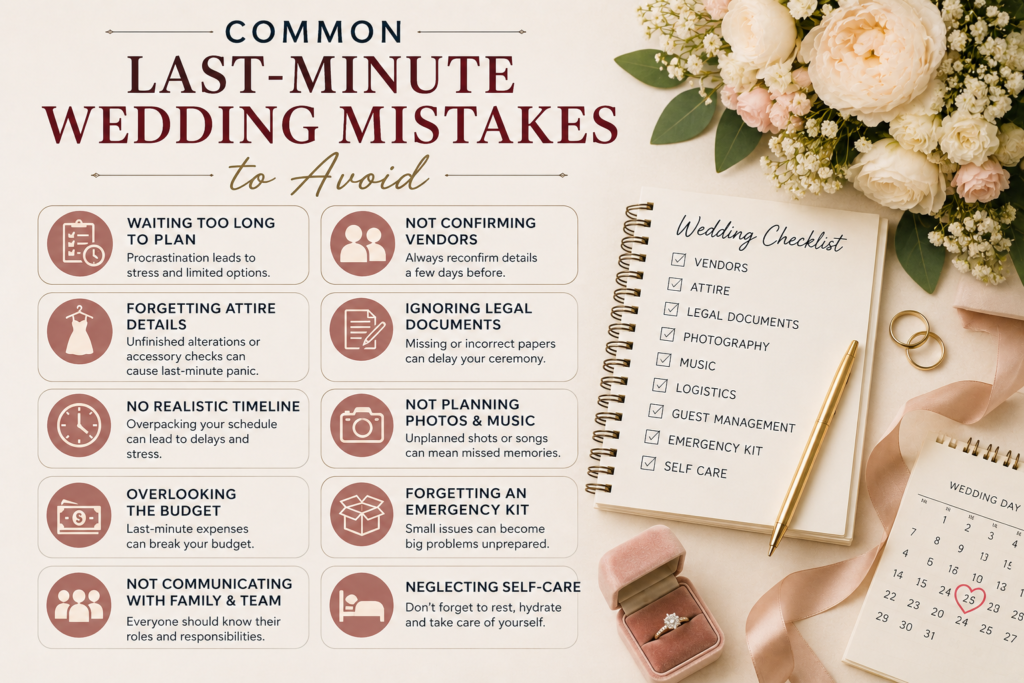
Even the most organized couples can overlook small details during the final days before their wedding. While these mistakes may seem minor, they can create unnecessary stress or affect the flow of your celebration. Being aware of these common issues allows you to avoid them and enjoy a smoother, more memorable wedding day.
Taking a proactive approach during the final week helps you stay calm, organized, and confident. Here are some of the most common last-minute wedding mistakes and how you can avoid them.
Waiting Until the Last Minute to Confirm Vendors
One of the biggest mistakes couples make is assuming every vendor is already prepared without checking in. Even if you’ve worked with them for months, it’s important to confirm arrival times, locations, contact details, and final schedules a few days before the wedding.
A simple confirmation call or email can prevent misunderstandings and ensure everyone is working according to the same timeline.
Forgetting the Wedding Rings
Your wedding rings are among the most important items you’ll need on the ceremony day, yet they’re surprisingly easy to forget in the excitement of final preparations.
Place both rings in a secure ring box several days before the wedding and assign a trusted person, such as the best man or maid of honor, to keep them safe until the ceremony begins.
Skipping the Emergency Kit
Many couples underestimate the importance of a wedding emergency kit. Small issues like loose buttons, makeup smudges, minor stains, headaches, or broken heels can happen without warning.
Packing a well-stocked emergency kit ensures you’re prepared for these situations and can quickly resolve them without disrupting your celebration.
Not Assigning Responsibilities
Trying to manage every detail yourself on the wedding day can quickly become overwhelming. Couples often spend valuable time answering vendor calls, directing guests, or solving minor problems instead of enjoying their celebration.
Assign specific responsibilities to trusted family members, friends, or your wedding planner. Delegating tasks allows you to relax and focus on making memories.
Ignoring the Wedding Timeline
Without a clear schedule, delays can affect the entire day. A late ceremony, extended photo session, or delayed meal service can impact the reception and reduce the time available for celebrating with guests.
Prepare a detailed timeline and share it with vendors, the wedding party, and close family members. Everyone knowing the schedule helps the day run smoothly.
Wearing New Shoes Without Breaking Them In
Brand-new wedding shoes may look beautiful, but they can quickly become uncomfortable after hours of standing and walking. Blisters and sore feet can make it difficult to fully enjoy your celebration.
Wear your wedding shoes around the house before the big day and consider bringing a comfortable backup pair for the reception.
Forgetting to Eat and Stay Hydrated
With so much happening, many couples skip meals or forget to drink water throughout the day. Low energy and dehydration can leave you feeling tired, dizzy, or uncomfortable during the celebration.
Start your day with a healthy breakfast, keep water nearby, and enjoy light snacks whenever you have a break. Taking care of yourself helps you stay energetic from the ceremony to the final dance.
Leaving Payments Until the Wedding Day
Handling vendor payments during the wedding can create unnecessary distractions. Searching for cash envelopes or confirming transfers takes time away from enjoying your celebration.
Whenever possible, complete all outstanding payments before the wedding. Prepare labeled tip envelopes in advance and ask a trusted person to distribute them when appropriate.
Overpacking Your Schedule
Many couples try to include too many activities, traditions, and photo sessions in a single day. An overloaded schedule often leaves little time to relax or spend meaningful moments with family and friends.
Leave small gaps between major events to accommodate unexpected delays. A flexible schedule creates a more enjoyable experience for both you and your guests.
Stressing Over Perfection
It’s natural to want everything to be perfect, but small imperfections are part of almost every wedding. A slight delay, unexpected weather, or minor decoration issue rarely affects the happiness of the day.
Instead of focusing on every little detail, concentrate on celebrating your love and enjoying the company of the people who came to share this special occasion. Years from now, you’ll remember the emotions, laughter, and unforgettable moments far more than any small mistake.
Printable Last-Minute Wedding Planning Checklist
One Month Before the Wedding
☐ Confirm all wedding vendors.
☐ Complete final dress or outfit fitting.
☐ Apply for your marriage license (if required).
☐ Finalize guest list and seating plan.
☐ Review wedding day timeline.
☐ Arrange transportation.
☐ Confirm hotel accommodations.
☐ Prepare honeymoon documents.
One Week Before the Wedding
☐ Confirm vendor arrival times.
☐ Complete all remaining payments.
☐ Prepare tip envelopes.
☐ Steam or press wedding attire.
☐ Break in wedding shoes.
☐ Organize accessories.
☐ Confirm music playlist.
☐ Share timeline with vendors and family.
☐ Pack wedding emergency kit.
☐ Pack overnight and honeymoon bags.
☐ Attend wedding rehearsal.
☐ Print vows and speeches.
One Day Before the Wedding
☐ Charge all electronic devices.
☐ Pack wedding rings.
☐ Drink plenty of water.
☐ Eat healthy meals.
☐ Get a good night’s sleep.
☐ Relax and spend time with loved ones.
☐ Double-check important documents.
☐ Review the next day’s schedule.
Conclusion
Your wedding day is the result of months of planning, preparation, and excitement. While the final days can feel overwhelming, following a well-organized last-minute wedding planning checklist helps ensure that every important detail is taken care of before you walk down the aisle.
Remember that no wedding is ever completely perfect, and that’s perfectly okay. The moments you’ll treasure most are the smiles, laughter, heartfelt conversations, and the joy of celebrating your love with family and friends.
Use this checklist as your final guide, delegate responsibilities whenever possible, and trust the planning you’ve already completed. Once everything is in place, take a deep breath, enjoy every moment, and focus on creating memories that will last a lifetime.
Your wedding is about celebrating your journey together—so embrace the experience, cherish every moment, and begin this beautiful new chapter with confidence and happiness.