
Introduction
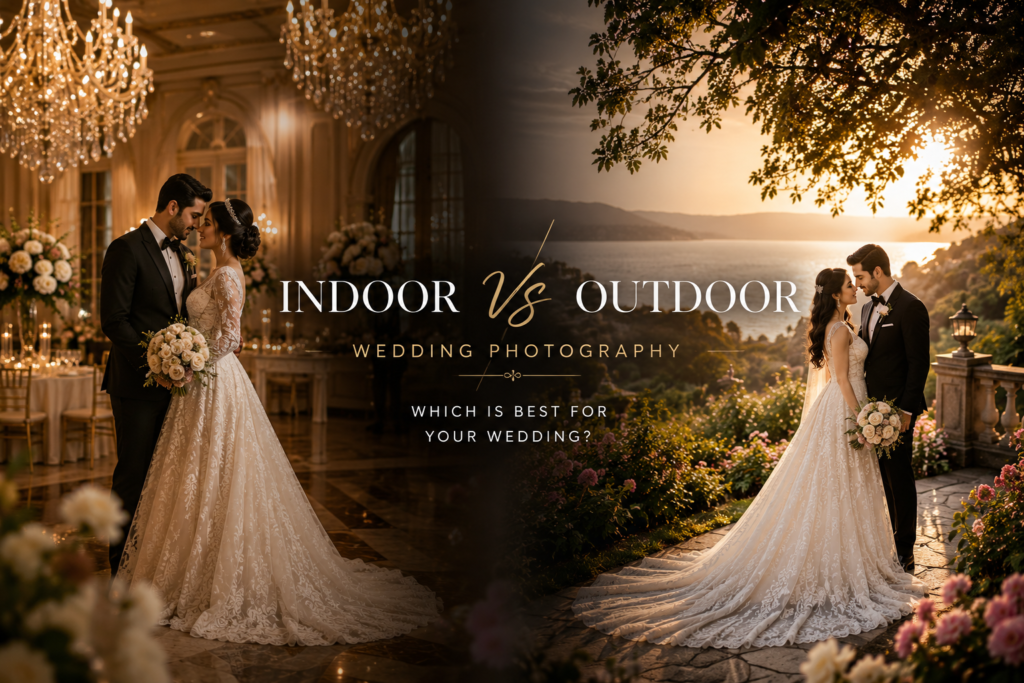
Your wedding venue does more than set the atmosphere it directly shapes how your wedding photographs look and feel. Whether you choose a grand indoor ballroom, a traditional wedding hall, a serene beach, or a lush garden, the environment influences lighting, backgrounds, colors, composition, and even the emotions captured in every frame.
One of the biggest decisions couples face while planning their wedding is whether indoor or outdoor photography will better suit their celebration. While outdoor locations offer stunning natural scenery and soft daylight, indoor venues provide controlled conditions that help photographers deliver consistent results regardless of the weather. Each option comes with its own advantages and limitations, making the right choice dependent on your venue, wedding style, season, and personal preferences.
Rather than asking which style is universally better, the more important question is: Which option best reflects your wedding and the memories you want to preserve? Understanding the strengths and challenges of both indoor and outdoor wedding photography will help you make an informed decision before your big day.
In this guide, we’ll compare indoor and outdoor wedding photography across key factors such as lighting, weather, privacy, creativity, guest comfort, and venue flexibility. By the end, you’ll have a clear understanding of which approach suits your wedding—or whether combining both will give you the best results.
Understanding Indoor Wedding Photography
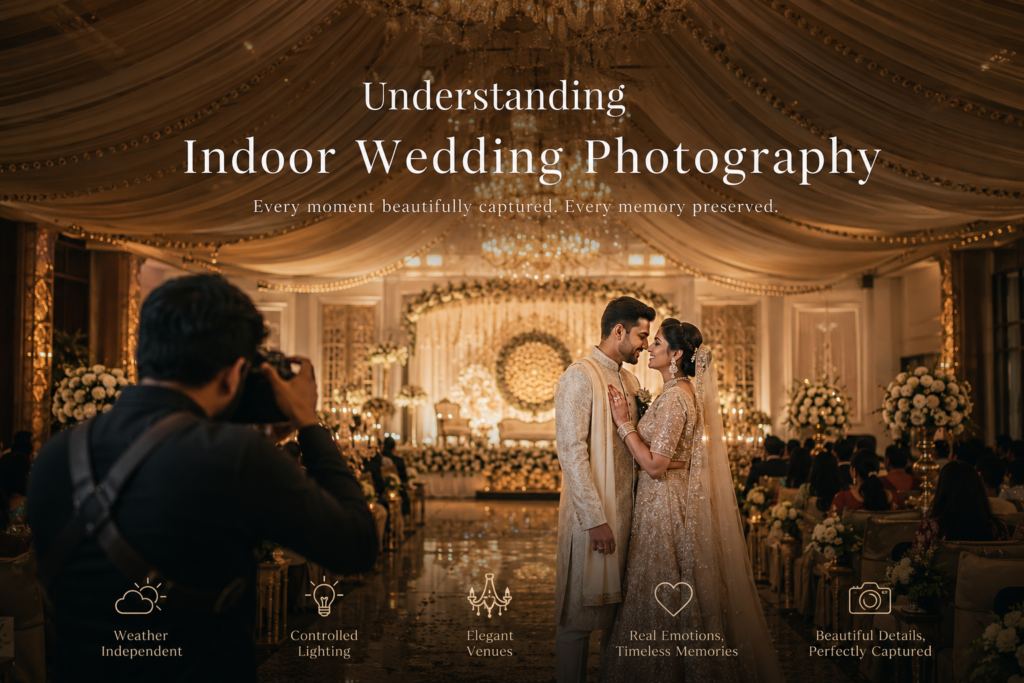
Indoor wedding photography focuses on capturing your wedding inside enclosed venues where the environment can be carefully managed. Common locations include banquet halls, hotels, churches, temples, heritage buildings, convention centers, and beautifully decorated wedding venues. These spaces provide photographers with a predictable setting, allowing them to create consistent, polished images throughout the day.
Unlike outdoor photography, indoor photography isn’t affected by sudden weather changes or harsh sunlight. Professional photographers use a combination of available light and artificial lighting to ensure every important moment—from the ceremony to the reception—is captured clearly and beautifully. This controlled environment is especially valuable during long wedding celebrations, where lighting conditions need to remain consistent from start to finish.
Indoor venues also allow greater attention to décor and event details. Elegant chandeliers, floral installations, stage decorations, and carefully designed interiors become part of the story, creating photographs that reflect the atmosphere of the celebration. Whether your wedding follows a traditional, religious, or contemporary style, indoor settings offer countless opportunities for timeless portraits and meaningful candid moments.
For couples who value comfort, privacy, and reliability, indoor wedding photography is often a practical choice. Since photographers have greater control over lighting and positioning, they can focus on capturing genuine emotions without worrying about changing weather or environmental distractions.
Advantages of Indoor Wedding Photography
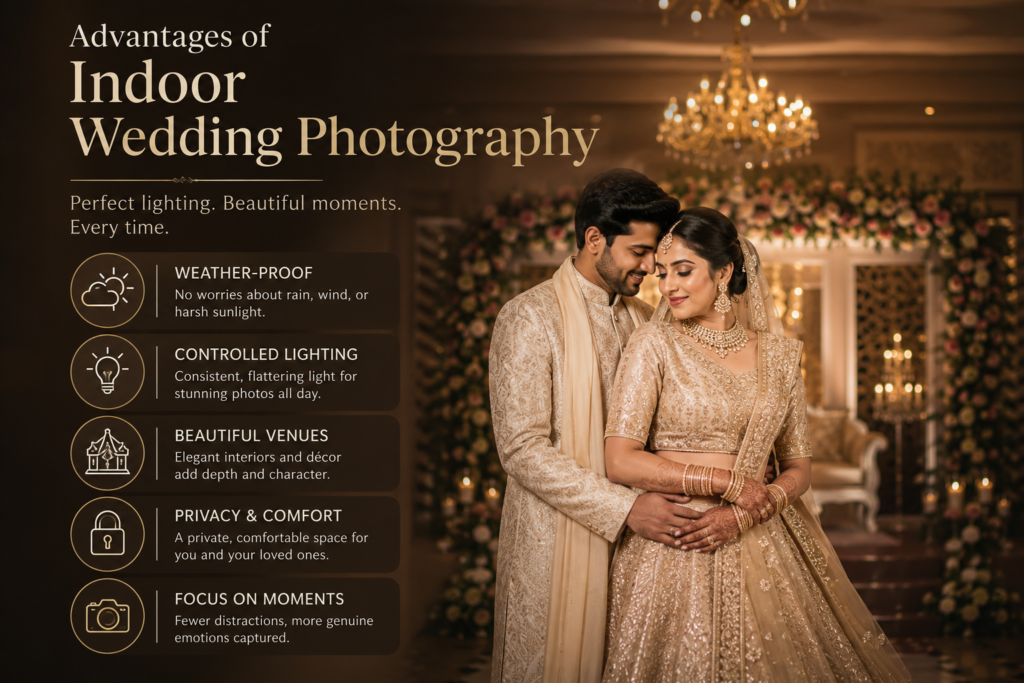
Choosing an indoor venue offers several photography benefits that go beyond simply having a roof overhead. From controlled lighting to uninterrupted celebrations, indoor settings create an environment where photographers can consistently deliver high-quality images.
Controlled Lighting for Consistent Results
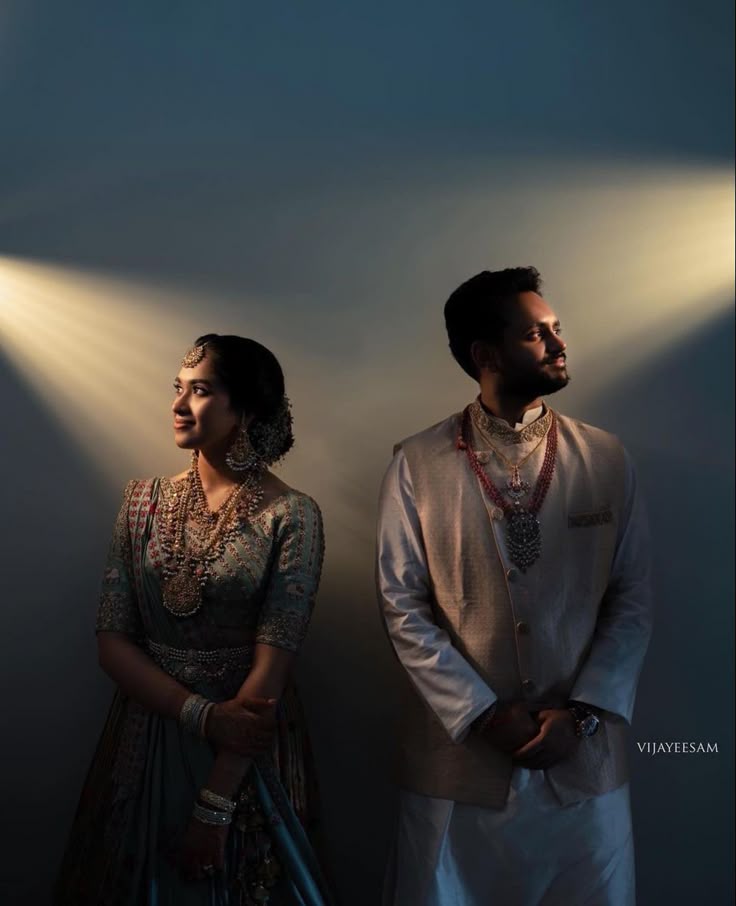
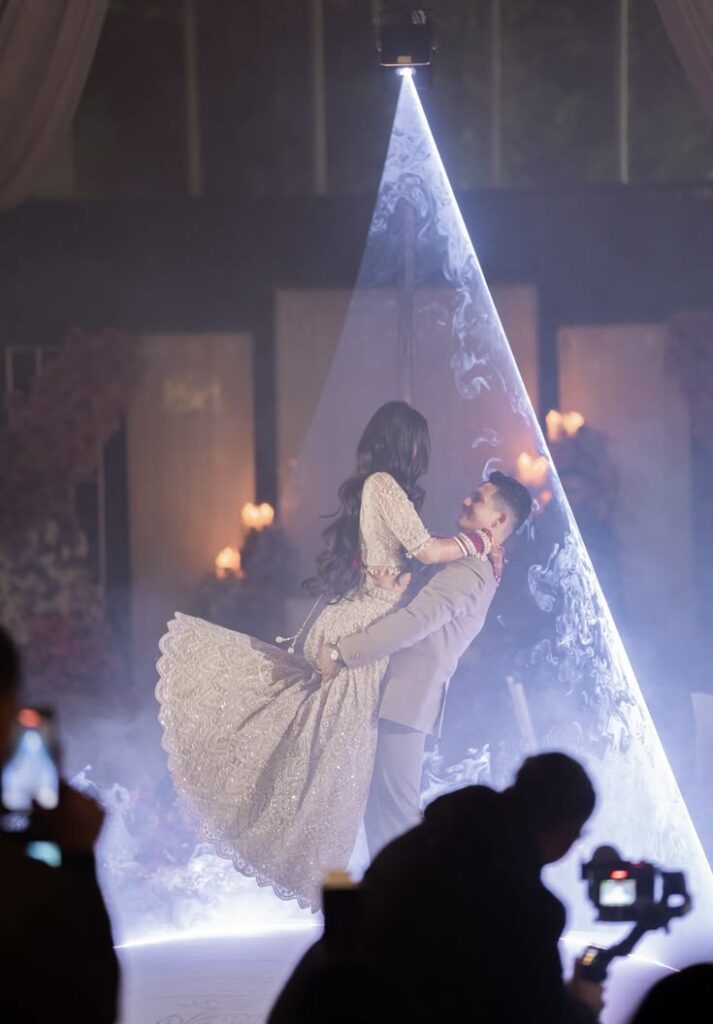
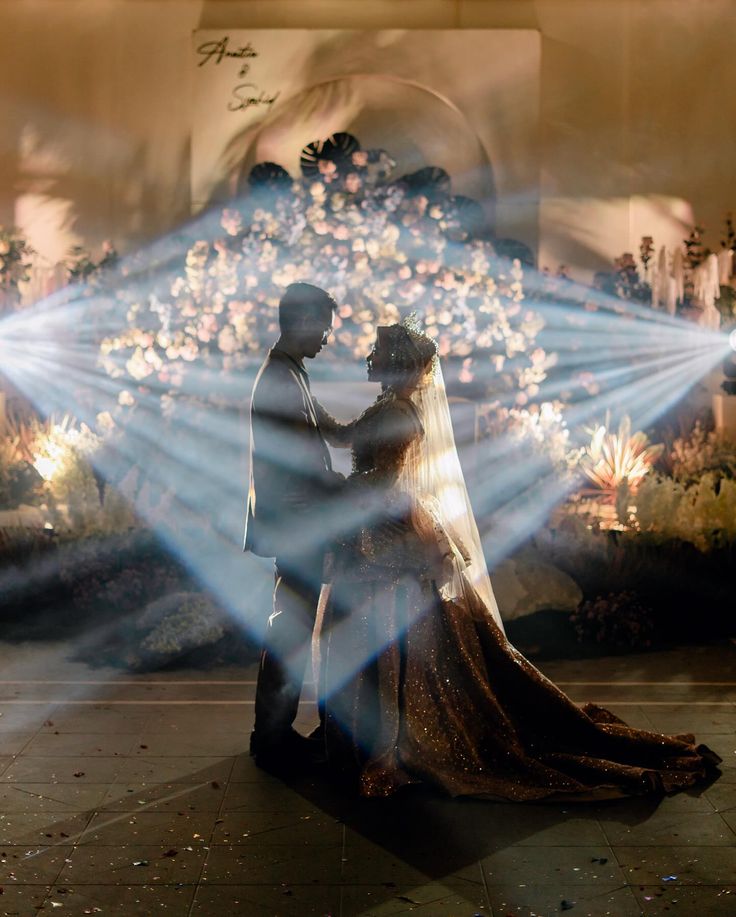
One of the biggest advantages of indoor wedding photography is complete control over lighting. Professional photographers can adjust flashes, continuous lights, and modifiers to suit the venue, ensuring balanced exposure regardless of the time of day.
This means your ceremony, family portraits, and reception photos maintain a consistent look without being affected by passing clouds, strong midday sunlight, or sudden changes in natural light.
Weather Is Never a Concern
Outdoor weddings are always at the mercy of nature, but indoor venues eliminate that uncertainty. Rain, strong winds, extreme heat, or unexpected weather changes won’t disrupt your photography schedule.
With no need to adjust plans because of the forecast, photographers can concentrate on capturing every important moment while couples enjoy their day without unnecessary stress.
More Privacy for Meaningful Moments
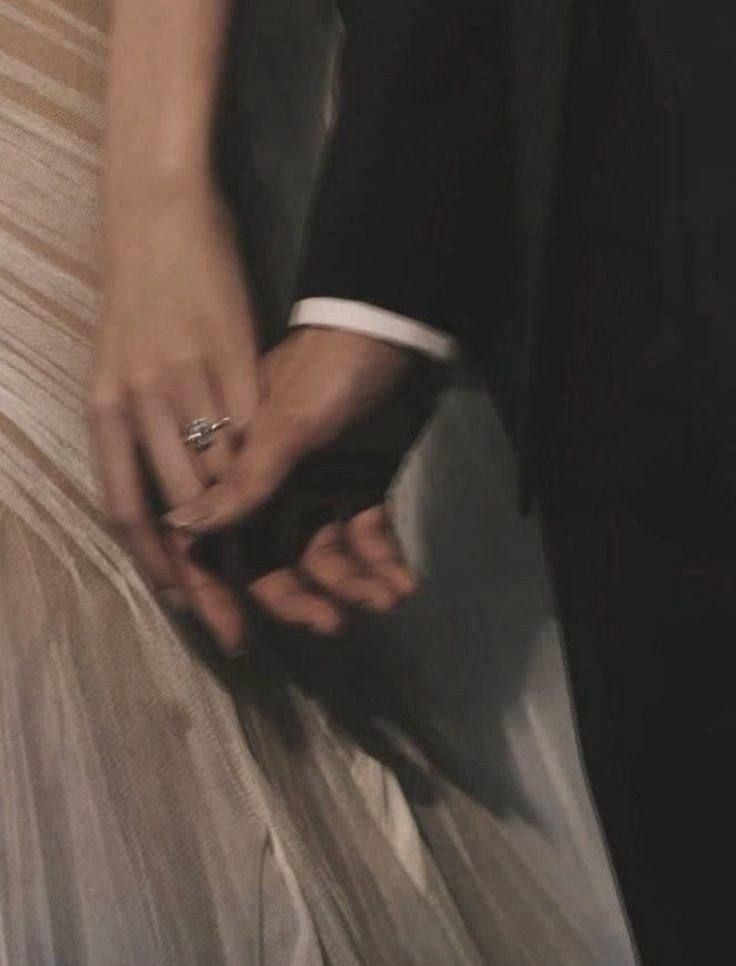
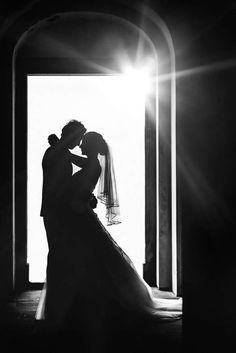
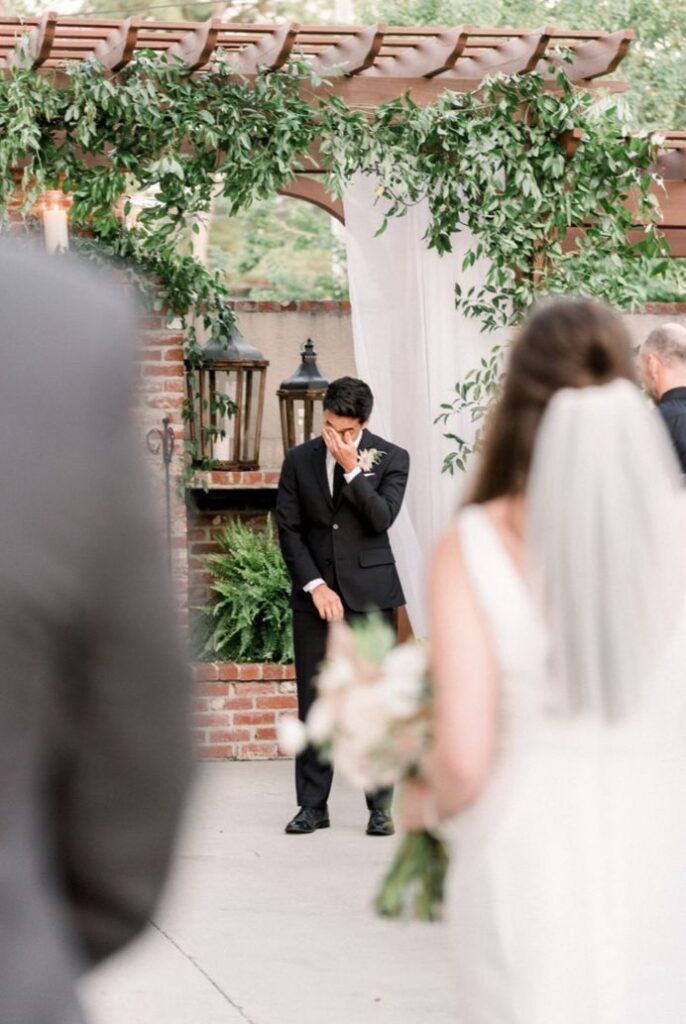
Indoor venues offer a private setting where couples and families can celebrate without interruptions from passersby or curious onlookers. This is especially valuable during emotional ceremonies, traditional rituals, first dances, and intimate family interactions.
A quieter environment often helps couples feel more comfortable in front of the camera, resulting in natural expressions and authentic photographs.
Comfortable for Guests Throughout the Celebration
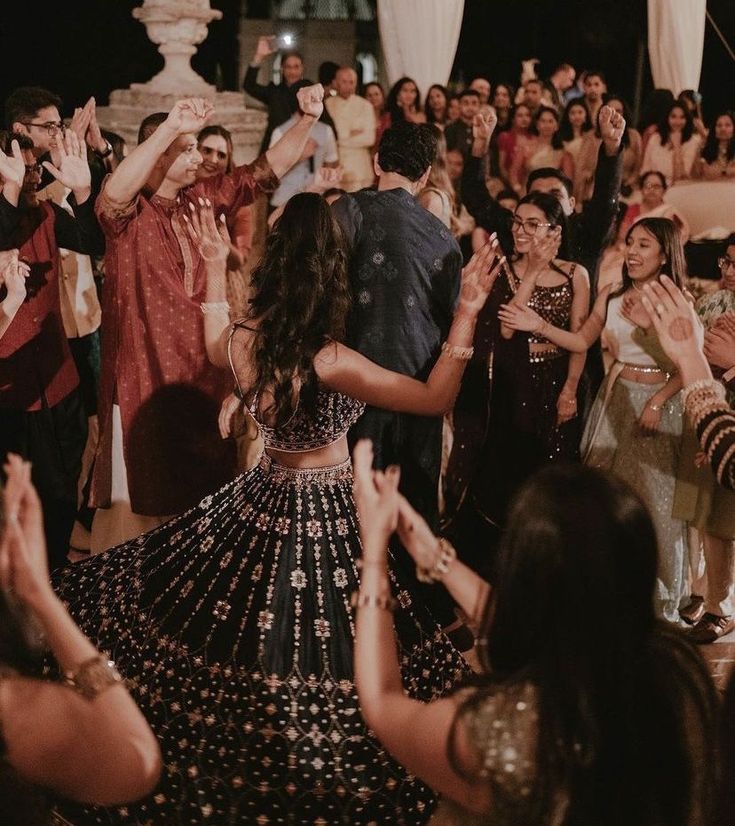
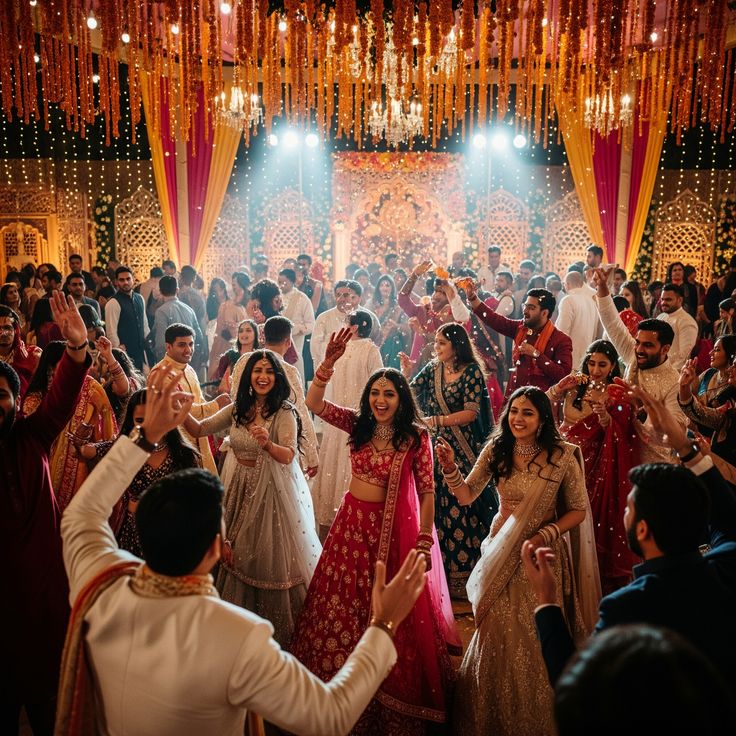
Indoor weddings provide a comfortable experience for everyone involved, regardless of the season. Air-conditioned halls, covered venues, and climate-controlled spaces allow guests to enjoy the celebration without worrying about heat, rain, or humidity.
When guests are relaxed, photographers can capture genuine smiles, candid conversations, and joyful interactions that truly reflect the spirit of the wedding.
Challenges of Indoor Wedding Photography
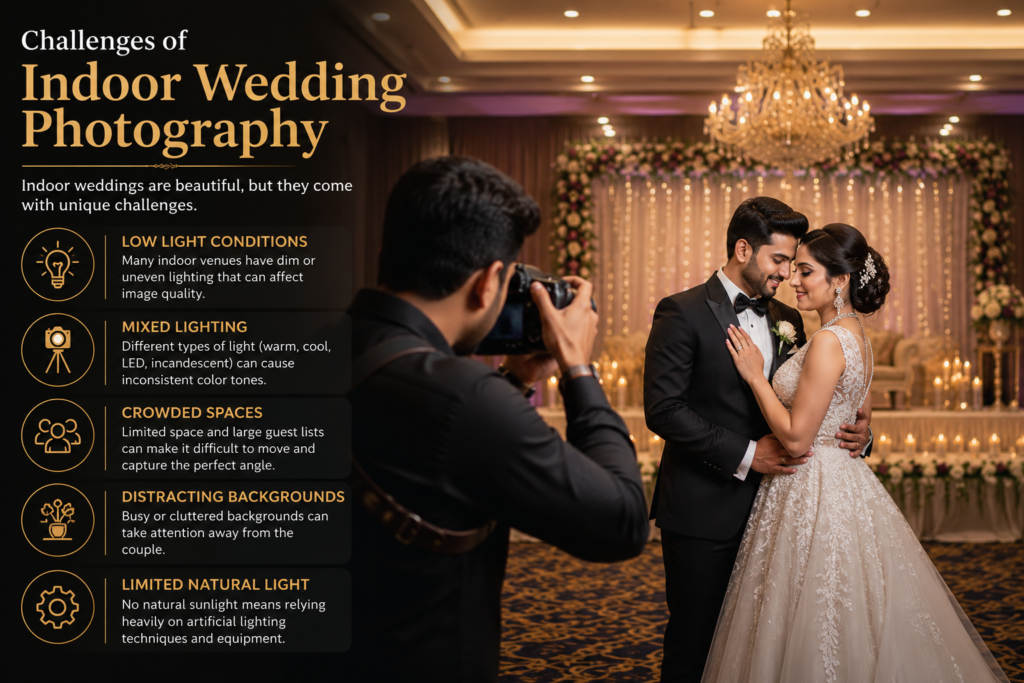
While indoor wedding photography offers consistency and control, it also comes with a few challenges that photographers need to overcome. Fortunately, experienced wedding photographers know how to adapt to these conditions and still create beautiful, high-quality images.
Limited Natural Light
Not every indoor venue is designed with photography in mind. Wedding halls, banquet spaces, and religious venues often have limited natural light, especially during evening ceremonies. Dim lighting can make it difficult to capture bright, vibrant images without additional equipment.
Professional photographers address this by using external flashes, continuous LED lights, or strategically placed lighting setups to recreate natural-looking illumination. The result is well-lit photographs that preserve the mood of the venue without appearing overly artificial.
Space Constraints
Indoor venues can sometimes limit movement. Low ceilings, crowded stages, decorative pillars, or tightly arranged seating may reduce the number of angles available for photography.
These space limitations can affect:
- Wide-angle group photographs
- Creative compositions
- Dynamic couple portraits
- Large family photos
An experienced photographer works around these obstacles by carefully selecting shooting positions, adjusting compositions, and making the most of the available space.
Mixed Lighting Conditions
Indoor venues often combine different light sources, such as chandeliers, LED lights, spotlights, and decorative lighting. Each emits a different color temperature, which can create inconsistent tones in photographs if not handled correctly.
Professional photographers correct these variations through proper camera settings, lighting techniques, and post-processing to ensure natural skin tones and consistent colors throughout the wedding album.
Dependence on Professional Lighting Equipment
Unlike outdoor photography, where natural light often does much of the work, indoor photography typically requires additional lighting equipment. External flashes, softboxes, light stands, and wireless triggers help photographers create balanced lighting and highlight important moments.
While this adds to the photographer’s preparation, it also allows them to maintain image quality regardless of the venue’s lighting conditions. Couples benefit from sharp, well-exposed photographs that retain their elegance from the ceremony through the reception.
Limited Scenic Variety
Indoor venues are usually confined to a single location, which means the backgrounds throughout the wedding album may have a similar visual style. Although elegant décor can enhance photographs, there may be fewer opportunities for dramatic landscapes or naturally changing scenery.
Many photographers overcome this by incorporating architectural details, decorative elements, creative lighting, and different compositions to add variety to the final gallery.
Despite these challenges, indoor wedding photography remains an excellent choice for couples who prioritize reliability, comfort, and a controlled environment. With the right photographer and thoughtful planning, indoor venues can produce timeless photographs that beautifully capture every emotion and detail of your celebration.
Understanding Outdoor Wedding Photography
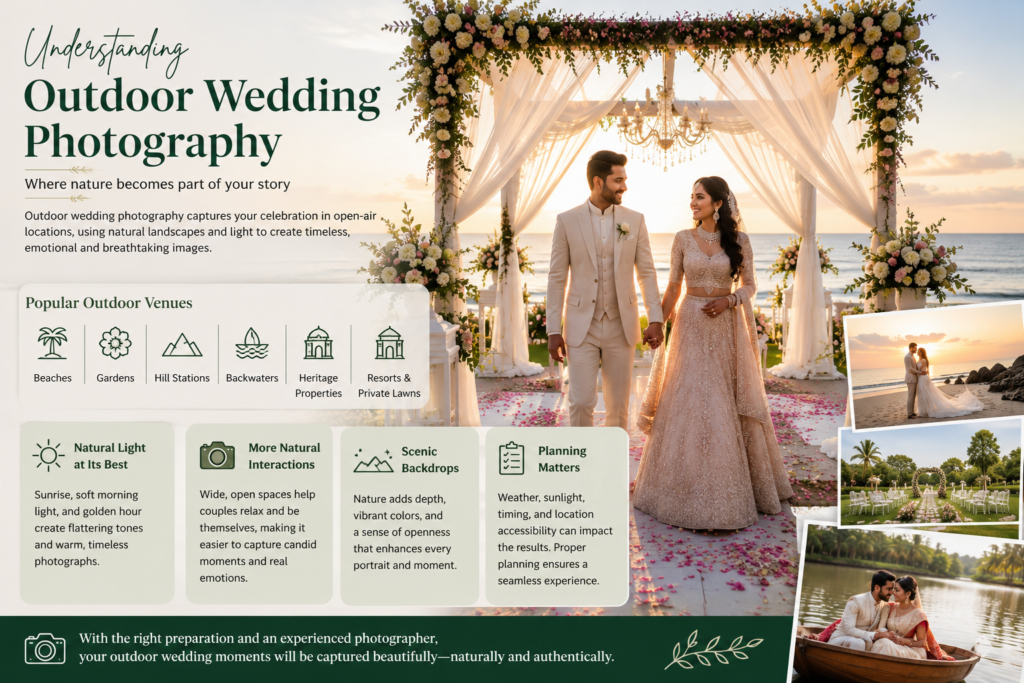
Outdoor wedding photography captures your celebration in open-air locations where natural landscapes become part of the story. Instead of relying on decorated interiors, these settings use nature as the backdrop, creating photographs with depth, vibrant colors, and a sense of openness.
Popular outdoor wedding venues include beaches, gardens, backwaters, hill stations, vineyards, resorts, heritage properties, and private lawns. Each location offers a unique atmosphere that influences the overall style of your wedding album. A beach wedding creates relaxed and romantic images, while a garden venue provides lush greenery and colorful floral backgrounds. Mountain and lakeside locations add dramatic scenery that enhances every portrait.
One of the defining characteristics of outdoor wedding photography is its reliance on natural light. Sunrise, soft morning light, and the golden hour before sunset produce flattering illumination that enhances skin tones and creates warm, timeless photographs. Rather than building every lighting setup from scratch, photographers work with the available light and adapt their techniques as conditions change throughout the day.
Outdoor venues also encourage more natural interactions. With larger spaces to move around, couples often feel less restricted, making it easier to capture candid moments, genuine laughter, and spontaneous emotions. Walking hand in hand, sharing a quiet conversation, or simply enjoying the surroundings often results in photographs that feel authentic and emotionally rich.
However, outdoor photography requires careful planning. Factors such as weather, sunlight, location accessibility, and timing can significantly impact the final results. Working with an experienced photographer ensures these elements are considered well before the wedding day, allowing you to enjoy the celebration while every memorable moment is captured beautifully.
Advantages of Outdoor Wedding Photography
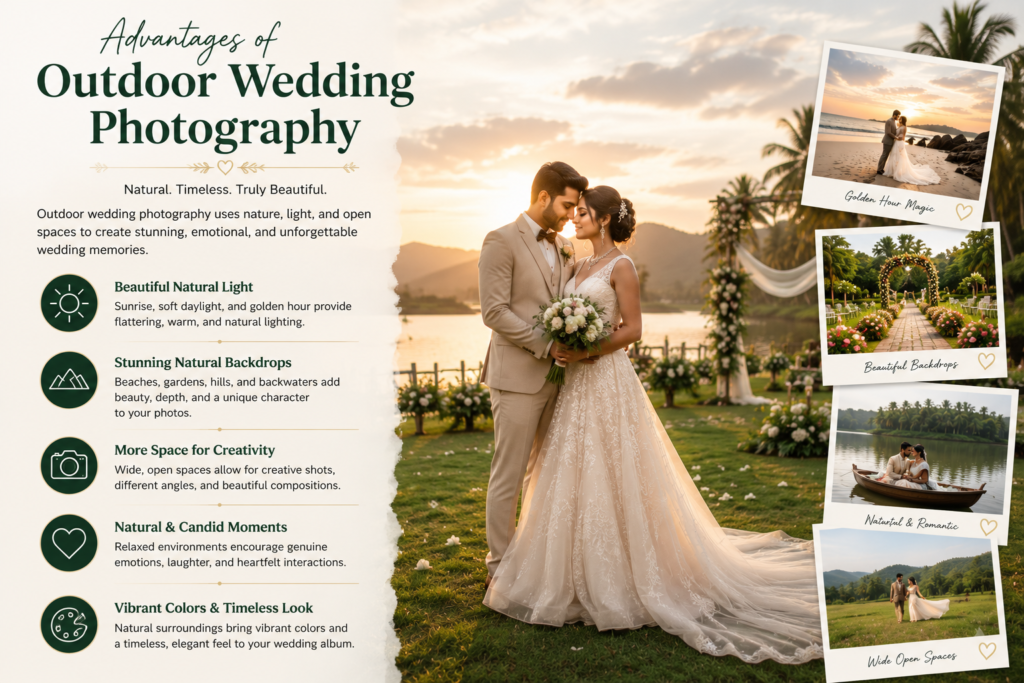
Outdoor wedding photography is often chosen for its ability to create visually stunning images that feel natural, vibrant, and full of life. The combination of natural light and scenic surroundings gives photographers endless creative possibilities that are difficult to replicate indoors.
Natural Light Creates Beautiful Portraits
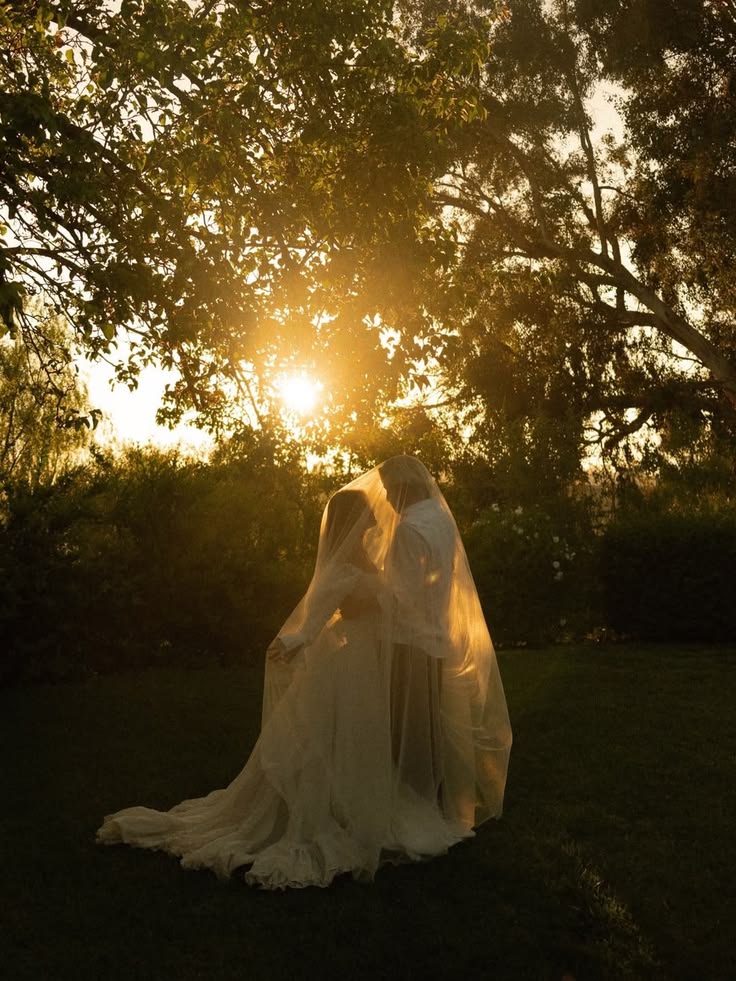
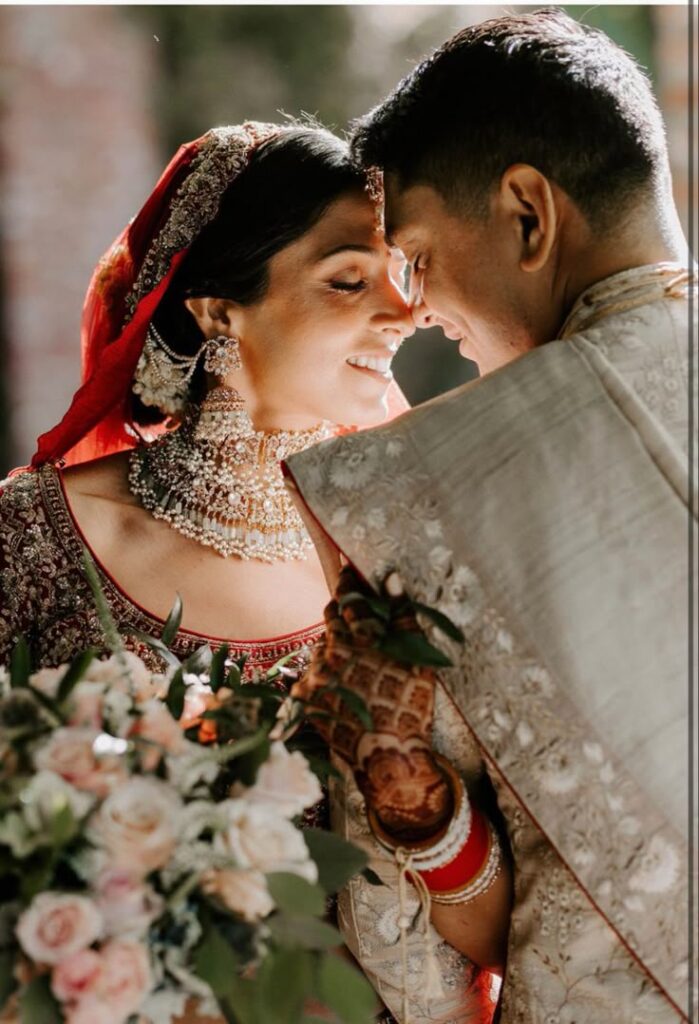
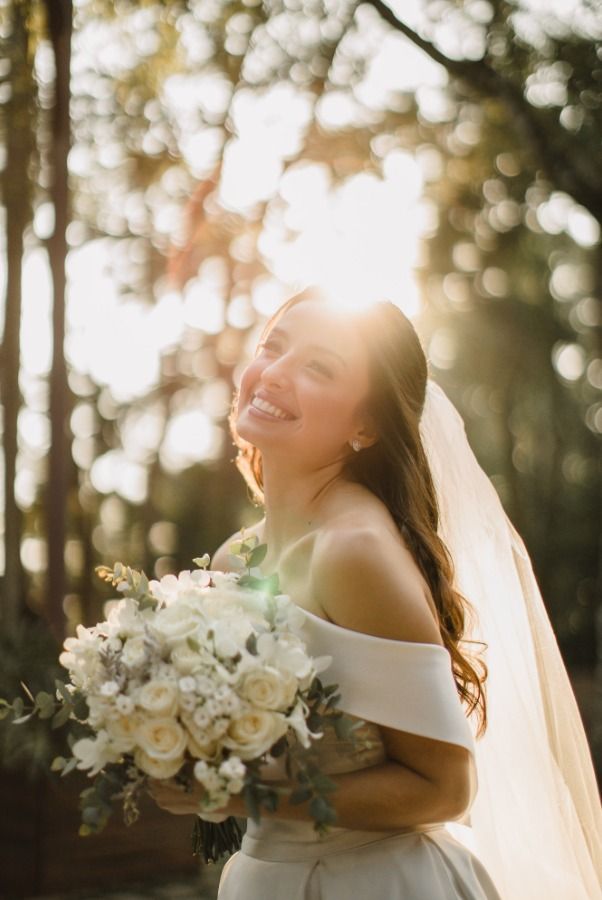
Natural daylight is one of the biggest advantages of outdoor photography. Soft morning light and the warm glow of the golden hour produce flattering illumination that enhances skin tones, reduces harsh shadows, and creates a romantic atmosphere.
When lighting conditions are ideal, photographs require less artificial enhancement, resulting in images that feel natural and timeless.
Scenic Backgrounds Add Visual Impact
Outdoor venues provide built-in backdrops that elevate every photograph. Instead of relying solely on decorations, couples can incorporate landscapes that add depth and character to their wedding album.
Popular outdoor settings include:
- Sandy beaches with ocean views
- Botanical gardens filled with seasonal flowers
- Peaceful backwaters and lakes
- Mountain landscapes
- Forest trails and greenery
- Heritage courtyards and palace gardens
- Luxury resort lawns
These natural environments create a variety of compositions, ensuring the wedding gallery feels diverse and visually engaging.
Greater Creative Freedom
Open spaces allow photographers to experiment with different angles, perspectives, and compositions. Whether capturing wide landscape portraits or intimate close-ups, outdoor venues provide more flexibility than many indoor locations.
This creative freedom makes it easier to photograph:
- Romantic walking portraits
- Candid conversations
- Wide scenic couple portraits
- Sunset silhouettes
- Natural interactions with family and friends
- Storytelling sequences throughout the day
The result is a wedding album that feels dynamic and cinematic rather than repetitive.
Spacious Environment for Group Photography
Large outdoor venues make organizing family portraits and bridal party photographs much easier. With fewer physical restrictions, photographers can comfortably arrange large groups while ensuring everyone is visible in the frame.
The additional space also allows couples to move naturally during portrait sessions, creating relaxed photographs that don’t feel overly posed.
A Fresh and Relaxed Atmosphere
Nature often helps people feel more at ease. The open environment encourages genuine emotions, making smiles, laughter, and affectionate moments appear more natural on camera.
Whether it’s a gentle breeze by the beach, the peaceful surroundings of a garden, or the breathtaking view from a hilltop, the environment itself contributes to creating photographs that feel emotional, authentic, and unforgettable.
Challenges of Outdoor Wedding Photography
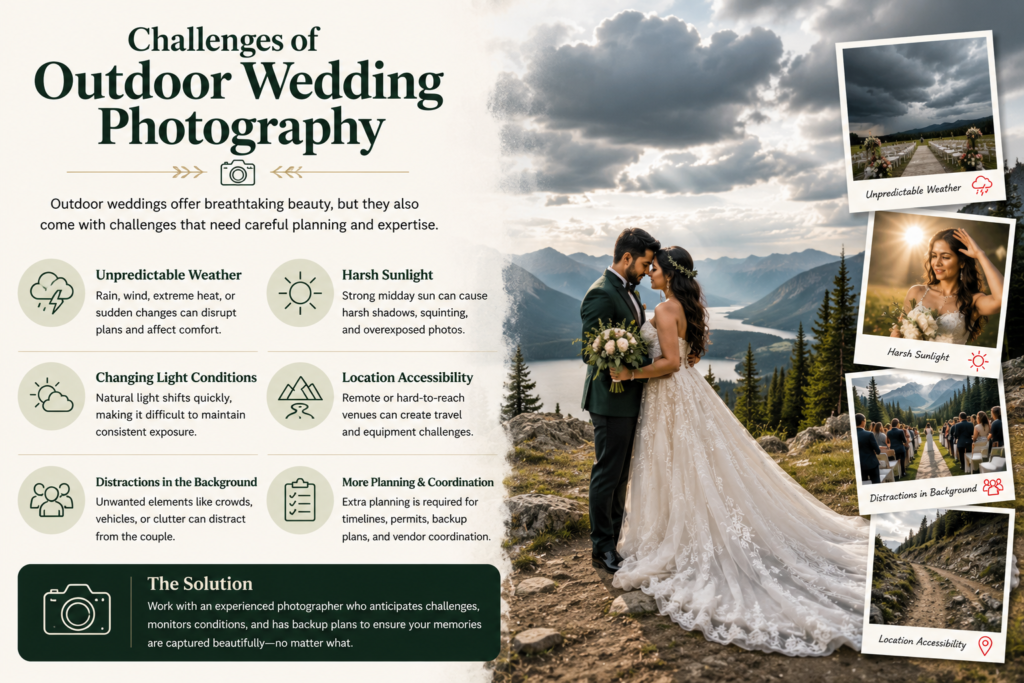
Outdoor wedding photography offers breathtaking scenery and natural light, but it also comes with variables that are beyond anyone’s control. Unlike indoor venues, outdoor environments can change quickly, requiring photographers to adapt throughout the day. Understanding these challenges will help you plan ahead and avoid unnecessary surprises on your wedding day.
Unpredictable Weather
Weather is the biggest factor that can affect outdoor wedding photography. A clear morning can turn into an overcast afternoon, while unexpected rain, strong winds, or extreme heat may disrupt both the ceremony and the photography schedule.
Common weather-related challenges include:
- Sudden rainfall
- Strong winds affecting outfits and décor
- Harsh afternoon sunlight
- High humidity
- Seasonal temperature changes
While experienced photographers can adapt to changing conditions, it’s always wise to have a backup indoor location or a covered area available. A contingency plan ensures your celebration continues smoothly without compromising your photographs.
Changing Natural Light
Natural light constantly changes throughout the day. Morning light is soft and fresh, midday sunlight can be harsh and create strong shadows, and the golden hour before sunset offers warm, flattering tones that many couples love.
Because these lighting conditions are constantly shifting, photographers carefully schedule portrait sessions around the best available light. Missing an ideal time slot may result in a different visual style than originally planned, making good coordination essential.
Less Privacy
Many outdoor wedding venues, especially beaches, gardens, parks, and public heritage sites, remain accessible to visitors during the day. This means photographers may need to work around crowds, tourists, or other events happening nearby.
Public locations can sometimes lead to:
- People appearing in the background
- Temporary distractions during portraits
- Waiting for popular photo spots to become available
- Reduced privacy during intimate moments
Choosing a private resort, exclusive venue, or booking photography sessions during quieter hours can help minimize these challenges.
Logistics and Accessibility
Outdoor venues often require more planning than indoor locations. Large properties, remote destinations, or uneven terrain may increase the time needed to move between ceremony areas and portrait locations.
Photographers also need to consider practical factors such as:
- Walking distances between locations
- Transportation within the venue
- Equipment setup in open spaces
- Power availability for additional lighting
- Accessibility for elderly guests and family members
Proper planning and a well-structured timeline help ensure photography flows smoothly without delaying the day’s events.
Environmental Factors
Nature adds beauty to outdoor photography, but it can also introduce small distractions that photographers need to manage. Bright reflections from water, falling leaves, insects, dust, or changing tides can all influence the shooting environment.
These elements don’t necessarily ruin photographs—in fact, they can sometimes enhance them—but they require flexibility and quick decision-making to achieve the best results.
Despite these challenges, outdoor wedding photography remains one of the most popular choices for couples who want stunning natural backdrops and a relaxed, cinematic feel. With thoughtful planning, an experienced photographer, and a flexible schedule, outdoor venues can produce some of the most memorable and visually striking wedding photographs.
Indoor vs Outdoor Wedding Photography: A Quick Comparison
Choosing between indoor and outdoor wedding photography becomes easier when you compare the two side by side. Both styles have distinct strengths, and the best option depends on your priorities, venue, season, and the overall experience you want for your wedding.
| Feature | Indoor Wedding Photography | Outdoor Wedding Photography |
| Lighting | Controlled with professional lighting equipment | Relies primarily on natural light |
| Weather Impact | Unaffected by weather conditions | Highly dependent on weather |
| Privacy | Excellent for intimate ceremonies | Varies depending on the venue |
| Backgrounds | Elegant interiors and décor | Natural landscapes and scenic views |
| Creative Flexibility | Limited by venue layout | Greater freedom with open spaces |
| Equipment Requirements | Often requires additional lighting | Less artificial lighting, but weather preparation is essential |
| Guest Comfort | Comfortable in all seasons | Depends on climate and venue facilities |
| Photography Style | Classic, elegant, and consistent | Bright, natural, and cinematic |
| Planning Complexity | Easier to schedule | Requires weather and lighting considerations |
| Best For | Traditional, religious, hotel, and banquet weddings | Beach, garden, destination, and resort weddings |
The comparison shows that neither option is inherently better. Indoor photography provides consistency and reliability, while outdoor photography offers breathtaking scenery and creative freedom. Your final decision should reflect your wedding style, preferred venue, and the experience you want to create for both yourselves and your guests.
Which Option Works Best for Different Wedding Styles?
The best choice between indoor and outdoor wedding photography depends on more than just personal preference. Your venue, wedding theme, guest experience, season, and the atmosphere you want to create all play a role. Understanding how each photography style complements different types of weddings can help you make a more confident decision.
Traditional Weddings
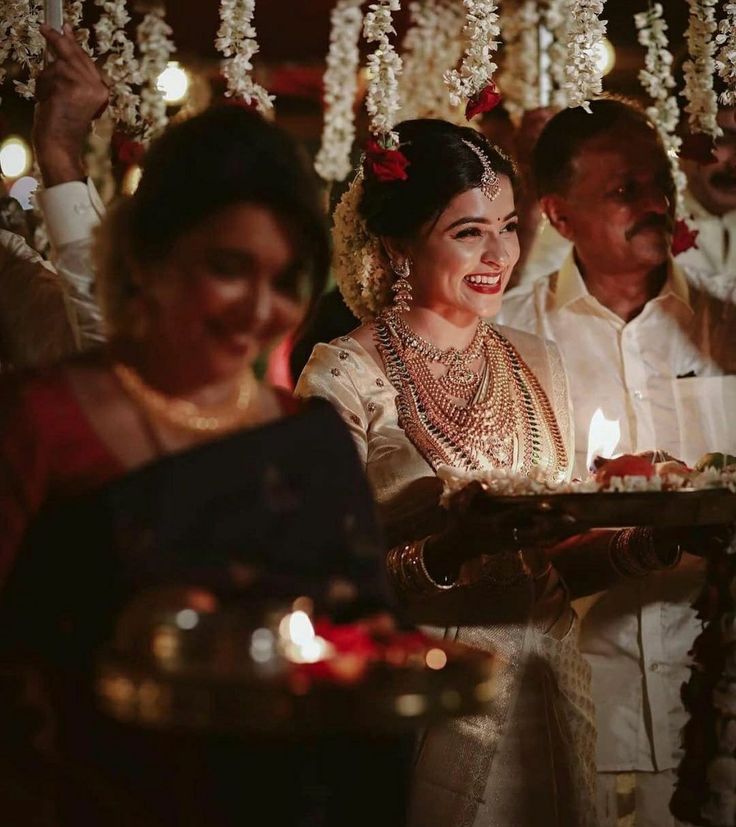
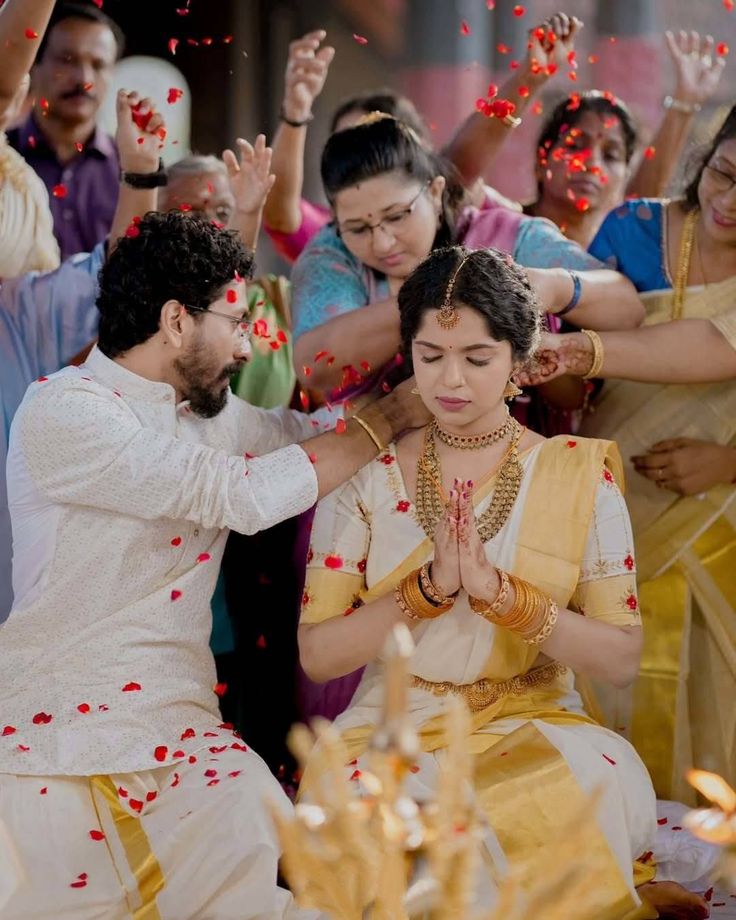
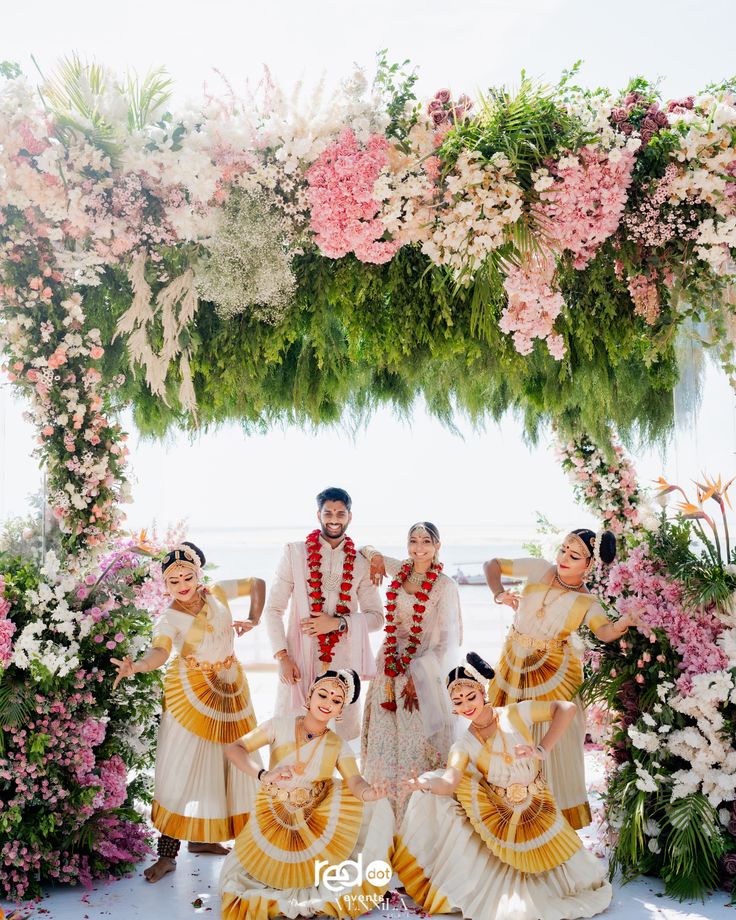
Traditional weddings often involve religious ceremonies, cultural rituals, and multiple family gatherings that take place in temples, churches, mosques, banquet halls, or wedding auditoriums. These venues provide a structured environment where photographers can focus on documenting every important ritual without interruptions from changing weather or lighting.
Indoor photography works particularly well because it offers consistent lighting, greater privacy, and comfortable conditions for guests throughout the celebration. The decorated stage, floral arrangements, and ceremonial details also create elegant backdrops that enhance the final photographs.
Best choice: Indoor Wedding Photography
Luxury Hotel and Ballroom Weddings
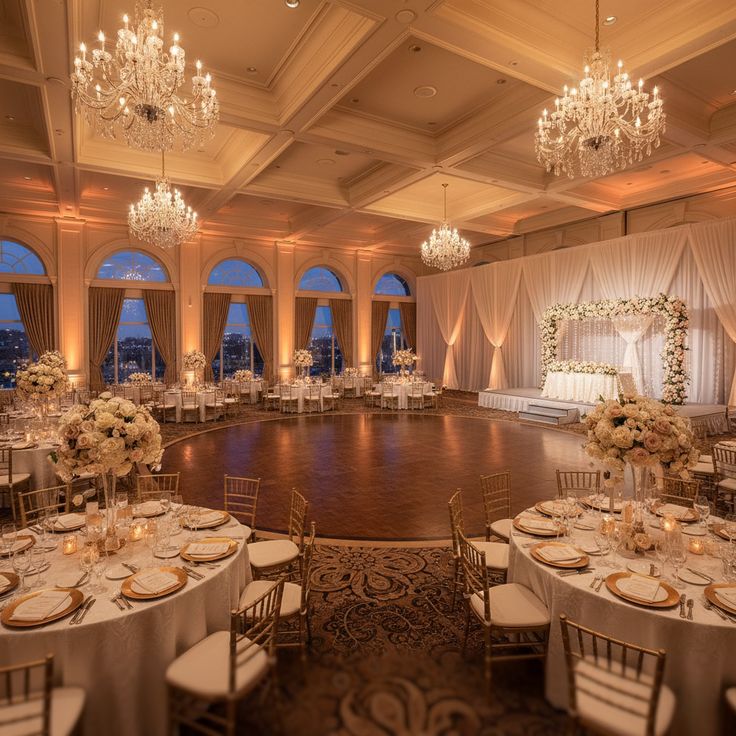
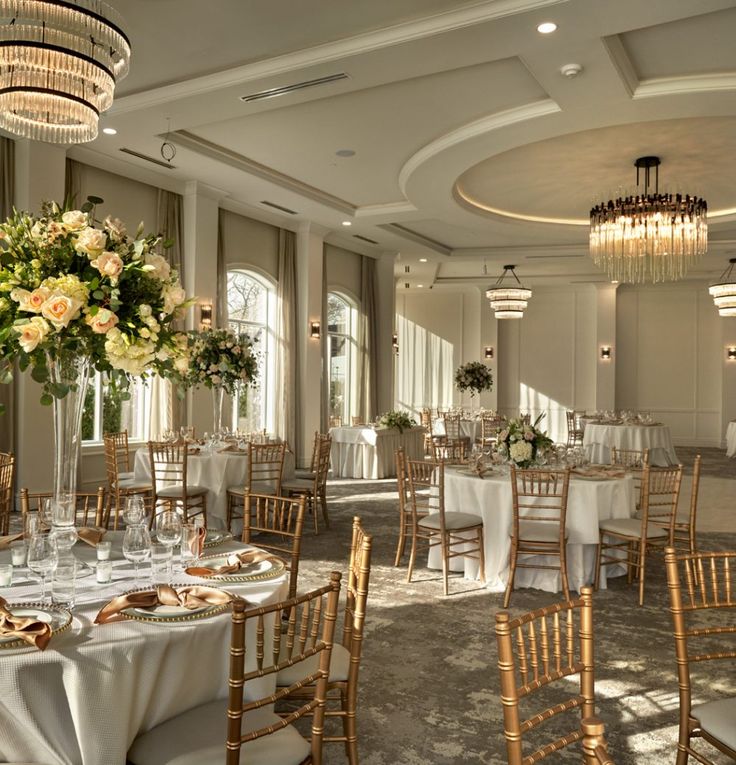
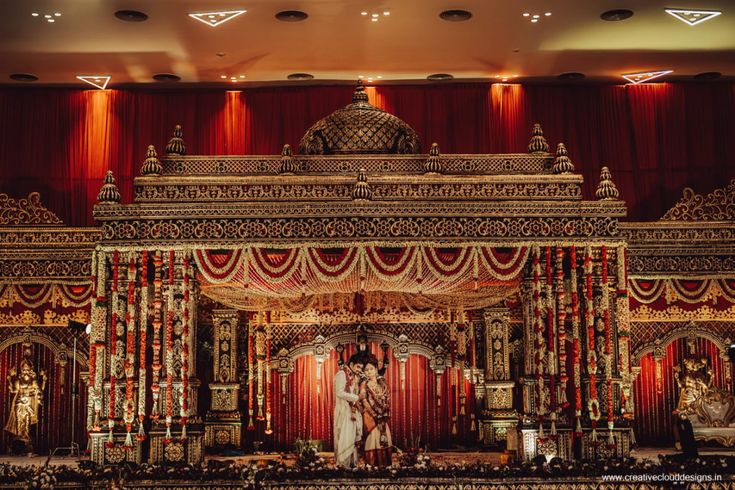
Luxury hotels and grand ballrooms are designed with sophisticated interiors, stylish architecture, and premium décor. Crystal chandeliers, elegant staircases, high ceilings, and beautifully designed reception spaces naturally elevate wedding photography.
Photographers can use these architectural elements to create refined portraits that reflect the luxury of the venue. Since lighting remains controlled, couples can expect a polished and cohesive wedding album from beginning to end.
Best choice: Indoor Wedding Photography
Beach Weddings
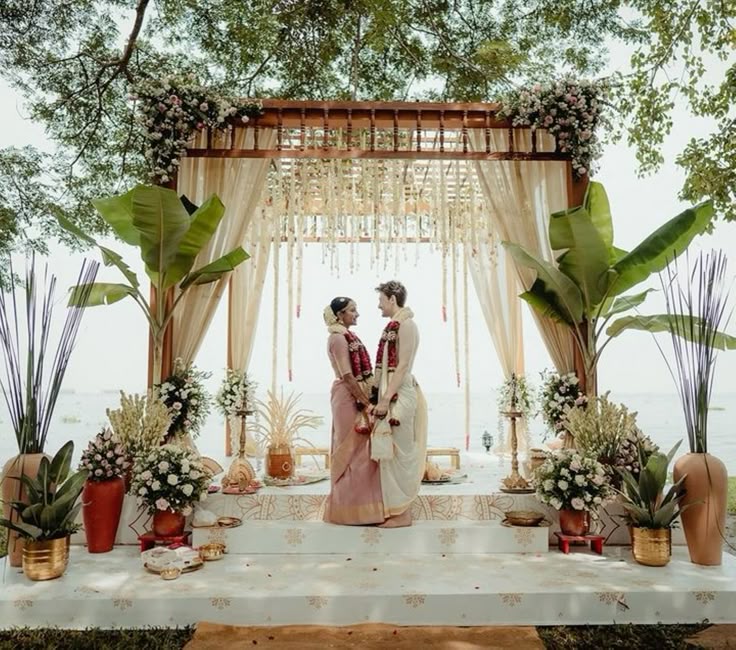
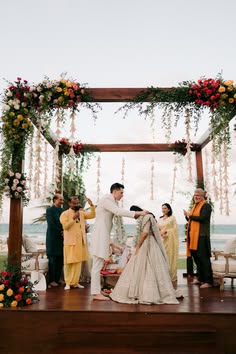
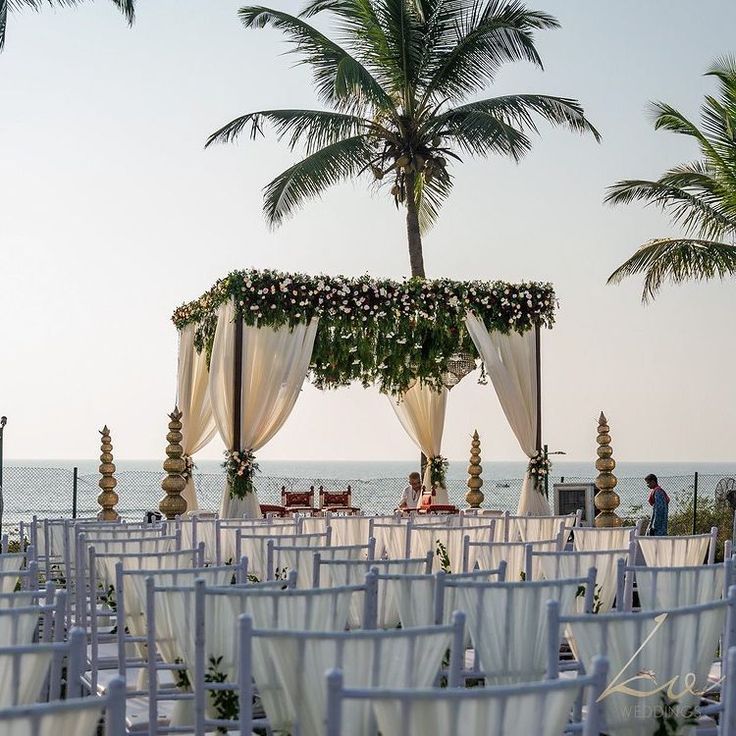
Beach weddings are known for their relaxed atmosphere and breathtaking coastal scenery. The combination of the ocean, open skies, and soft golden-hour sunlight creates romantic portraits that are difficult to recreate indoors.
However, beach weddings also require careful planning. Wind, changing tides, and bright midday sunlight can affect photography, making the timing of portrait sessions especially important. Scheduling couple portraits during sunrise or just before sunset often produces the most flattering results.
Best choice: Outdoor Wedding Photography
Garden Weddings
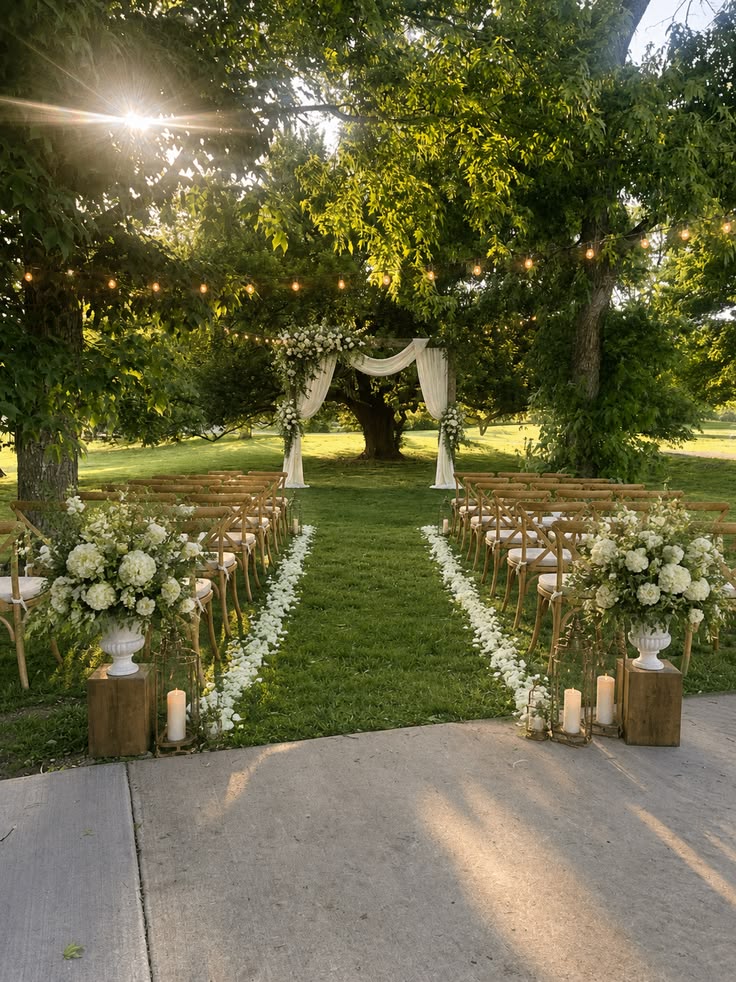
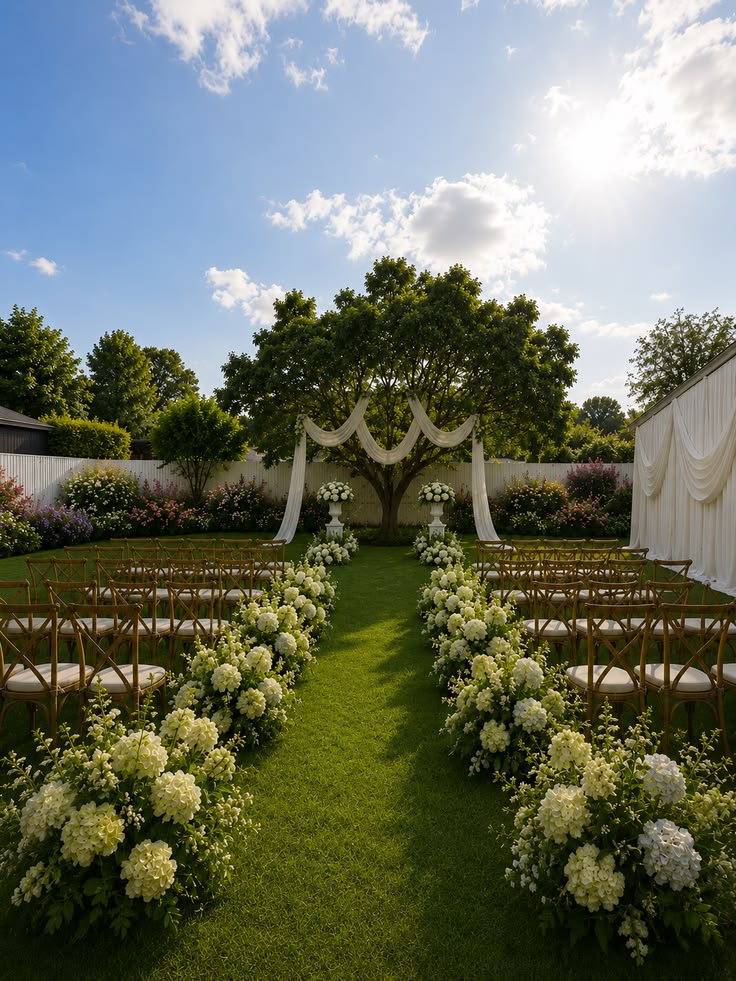
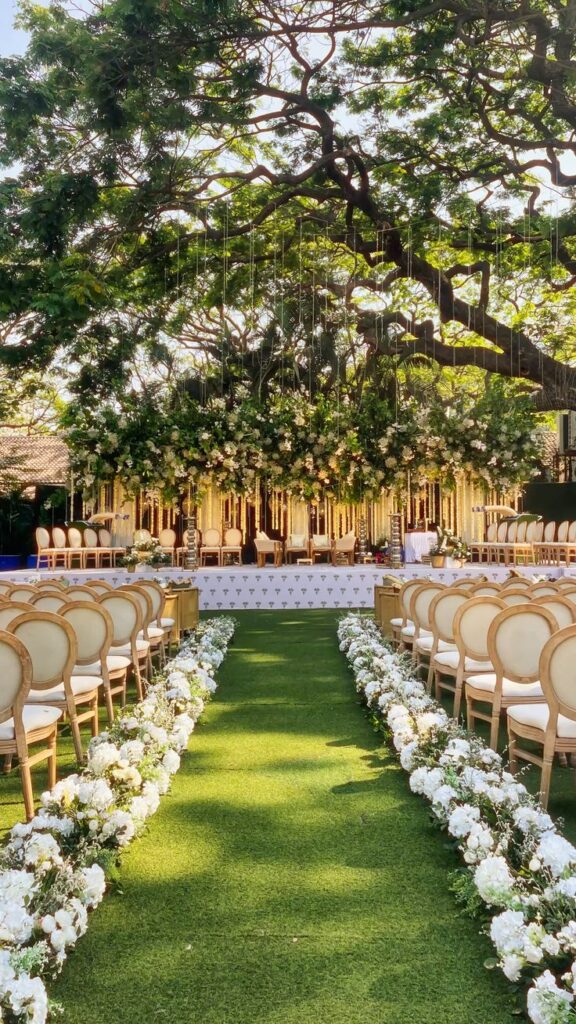
Gardens provide a vibrant natural setting filled with flowers, trees, and lush greenery. The changing colors of each season give every wedding its own unique visual character, making garden venues ideal for couples who want fresh, timeless photographs.
The open space also encourages candid photography. Guests can move freely, children can play naturally, and photographers have more opportunities to capture spontaneous interactions throughout the celebration.
Best choice: Outdoor Wedding Photography
Destination Weddings
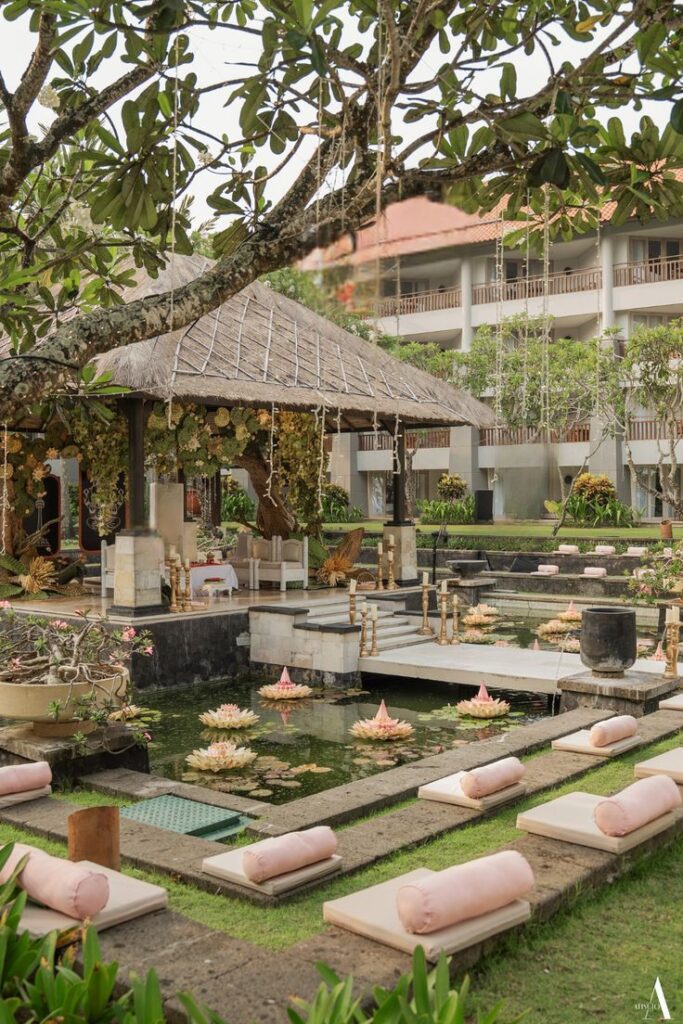
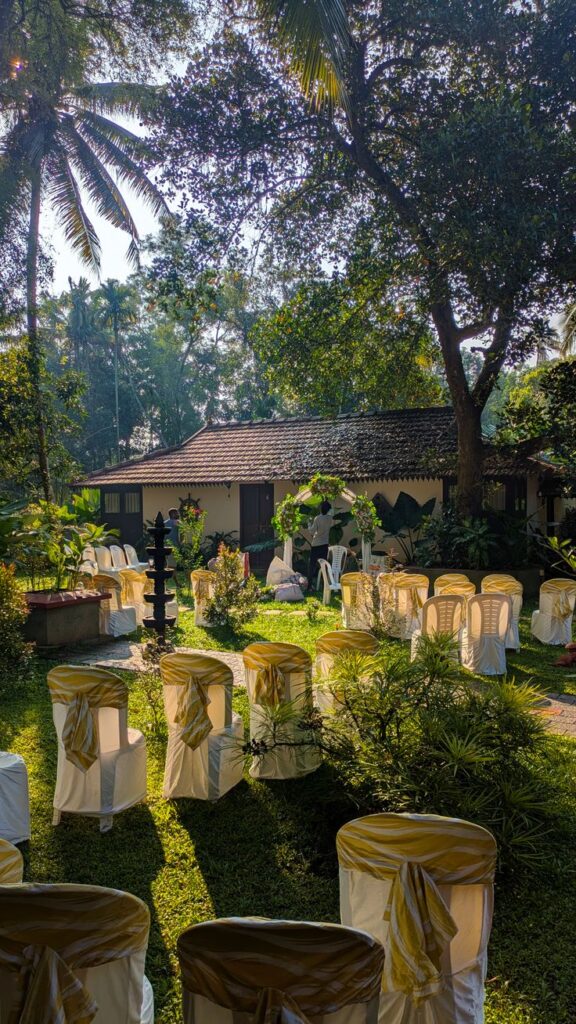
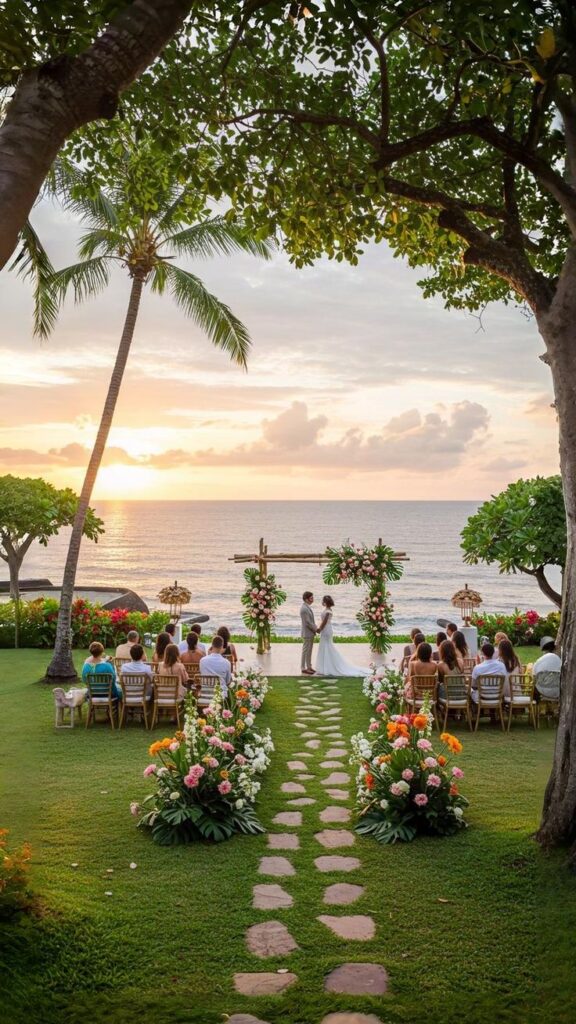
Destination weddings are often chosen as much for the location as for the ceremony itself. Whether you’re celebrating at a beachfront resort, a hill station, a vineyard, or a heritage property, the surroundings become an important part of your wedding story.
Photographers can use the landscape to create cinematic portraits while documenting the experience of the destination itself. From scenic drone shots to sunset couple sessions, outdoor photography helps showcase the beauty of the location.
That said, many destination venues also feature elegant indoor spaces. Combining indoor ceremony coverage with outdoor portraits often delivers the most complete wedding album.
Best choice: A Combination of Indoor and Outdoor Photography
Heritage and Palace Weddings
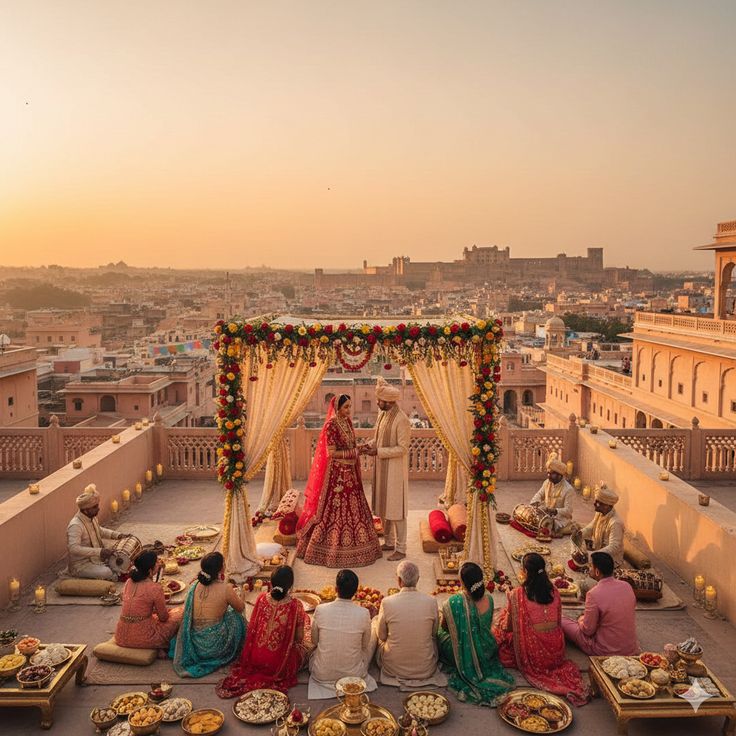
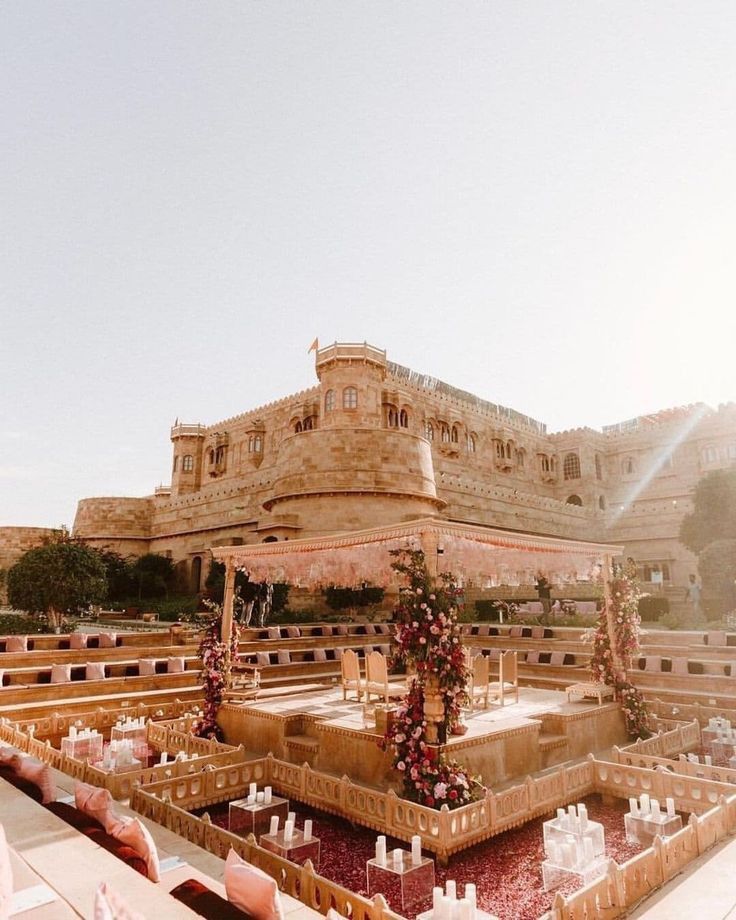
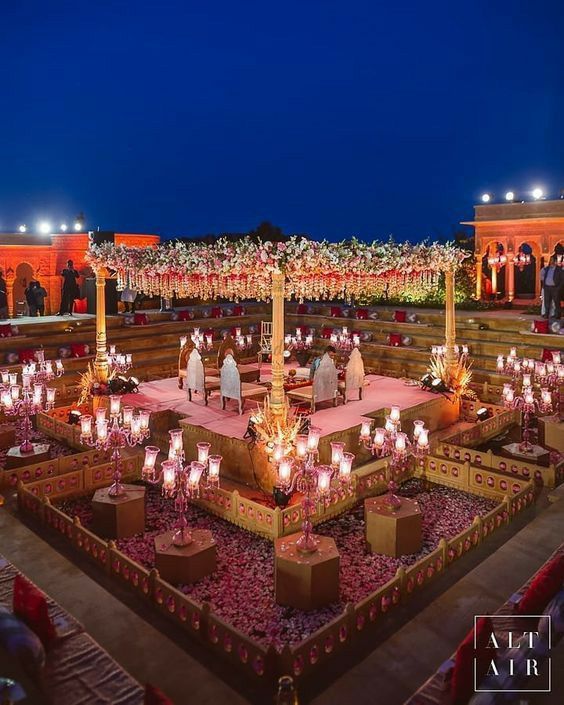
Historic buildings, palaces, and heritage properties offer the best of both worlds. Their grand interiors provide elegant settings for ceremonies, while courtyards, gardens, balconies, and surrounding landscapes create spectacular outdoor portrait opportunities.
These venues allow photographers to capture architectural beauty alongside emotional moments, resulting in a wedding gallery that feels rich, diverse, and timeless.
Best choice: A Combination of Indoor and Outdoor Photography
Resort Weddings
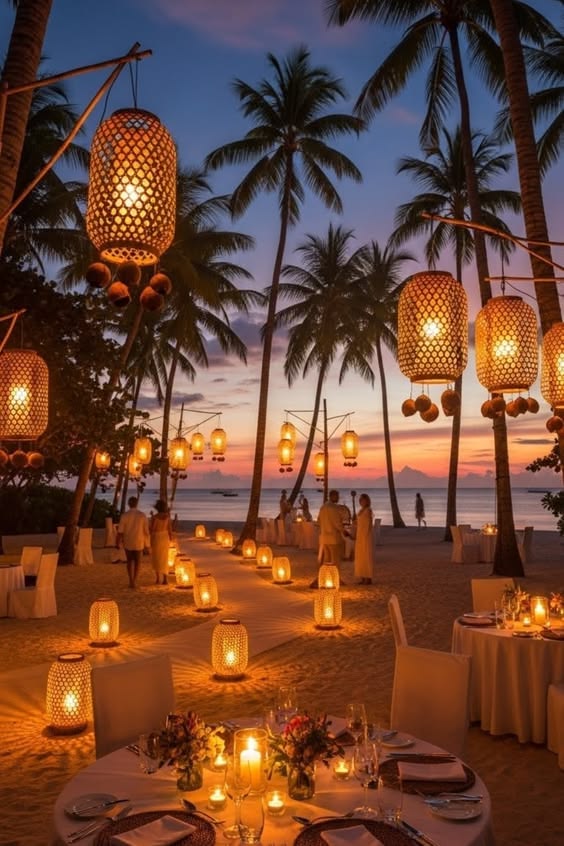
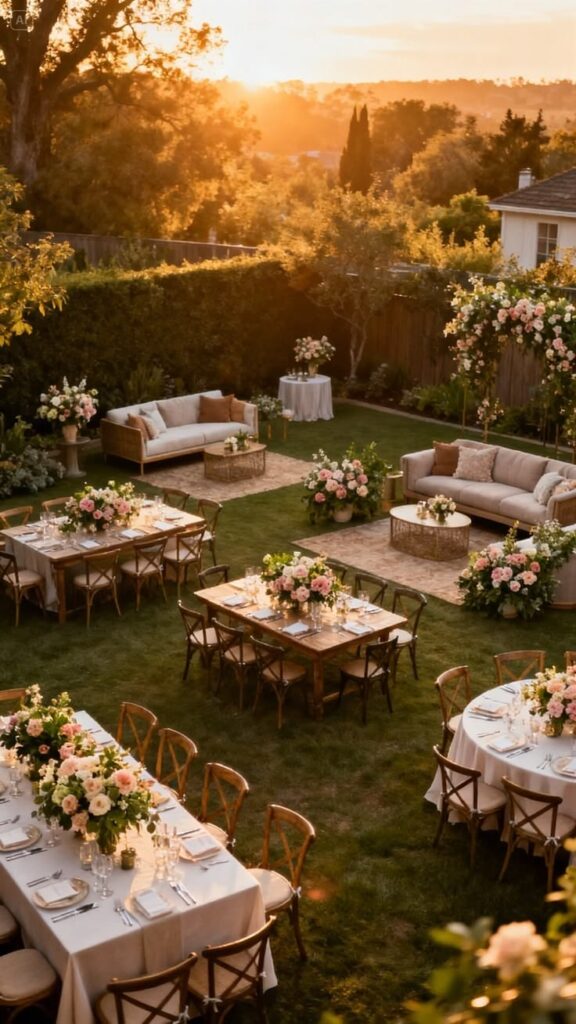
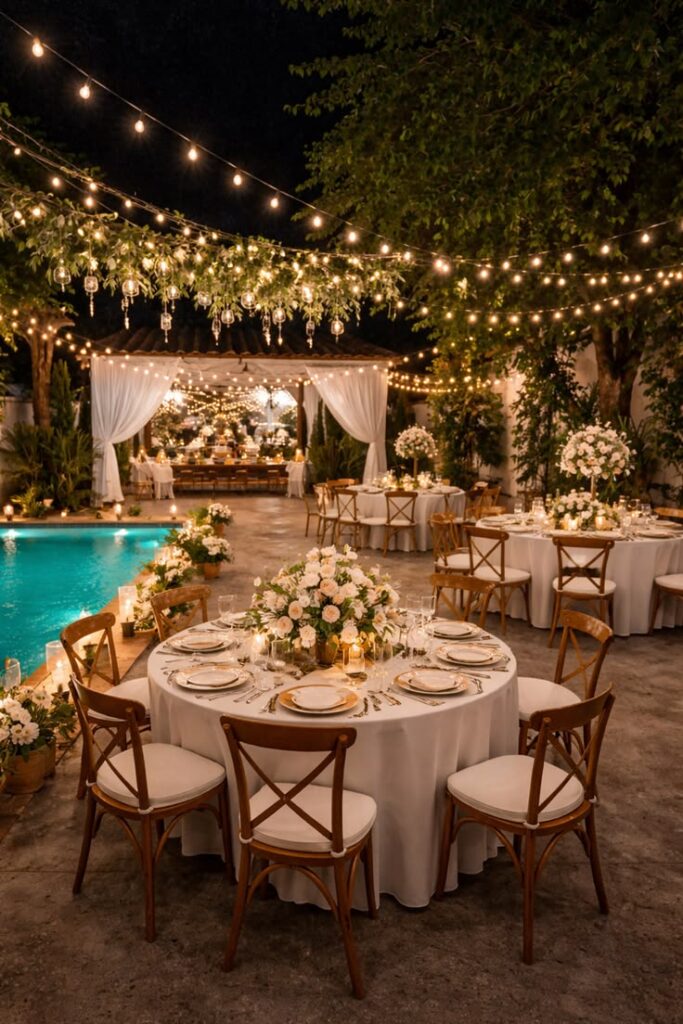
Modern wedding resorts are designed to accommodate both indoor and outdoor celebrations. Couples may exchange vows in a landscaped garden, host cocktail events by the pool, and conclude the evening with a reception in an elegant ballroom.
This flexibility allows photographers to create a varied wedding album featuring natural landscapes, luxury interiors, sunset portraits, and beautifully lit reception images—all in one location.
Best choice: A Combination of Indoor and Outdoor Photography
Quick Recommendations
| Wedding Style | Recommended Photography Style |
| Traditional Wedding | Indoor |
| Hotel Ballroom Wedding | Indoor |
| Beach Wedding | Outdoor |
| Garden Wedding | Outdoor |
| Destination Wedding | Indoor + Outdoor |
| Heritage Wedding | Indoor + Outdoor |
| Resort Wedding | Indoor + Outdoor |
The right photography style should complement your venue rather than compete with it. While some weddings naturally benefit from the controlled environment of indoor photography, others shine because of the beauty of the outdoors. If your venue offers both indoor and outdoor spaces, taking advantage of each can provide a wider variety of photographs and ensure you’re prepared for changing conditions.
Can You Combine Indoor and Outdoor Wedding Photography?
Absolutely. In fact, many professional wedding photographers recommend combining both indoor and outdoor photography whenever the venue and schedule allow. This approach gives you the consistency and comfort of indoor photography while also capturing the beauty and creativity that outdoor locations offer.
Rather than choosing one over the other, a hybrid approach lets you document every part of your wedding in the setting that suits it best. The result is a more diverse, visually engaging wedding album that tells the complete story of your celebration.
Why a Combination Works Best
Every wedding has different moments, and each moment benefits from a different environment.
For example, ceremonies often take place indoors where lighting is controlled and guests are comfortable. Portrait sessions, on the other hand, can be moved outdoors to take advantage of natural light and scenic surroundings.
This combination ensures your wedding album includes both elegant formal photographs and relaxed, candid moments.
A Practical Wedding Photography Plan
Here’s how many photographers structure a wedding day when both indoor and outdoor spaces are available:
| Wedding Moment | Recommended Location |
| Bridal and groom preparation | Indoor |
| Wedding ceremony | Indoor |
| Family portraits | Indoor or shaded outdoor area |
| Couple portraits | Outdoor |
| Golden hour session | Outdoor |
| Reception and first dance | Indoor |
| Night portraits | Indoor or outdoor with creative lighting |
This flow allows photographers to make the most of each location without disrupting the wedding schedule.
Benefits of a Hybrid Photography Approach
Greater Variety in Your Wedding Album
Using both environments creates a balanced collection of photographs. Indoor images capture the elegance of your venue and the important ceremonies, while outdoor portraits add depth, color, and natural beauty.
Instead of seeing similar backgrounds throughout the album, you’ll enjoy a mix of architectural details, decorated interiors, gardens, landscapes, and sunset scenes.
Better Use of Natural Light
Outdoor portrait sessions scheduled during the golden hour often become some of the most memorable images from the wedding. The warm, soft light creates flattering portraits with a romantic atmosphere that complements the more formal indoor photographs.
By planning these sessions in advance, photographers can achieve stunning results without taking too much time away from your guests.
A Reliable Backup for Weather Changes
One of the biggest advantages of combining indoor and outdoor photography is flexibility.
If the weather remains pleasant, you can enjoy outdoor portraits as planned. If it suddenly rains or becomes too windy, your photographer can quickly move the session indoors without affecting the overall timeline.
Having both options available reduces stress and helps ensure beautiful photographs regardless of the weather.
More Creative Opportunities
A hybrid approach gives photographers more freedom to experiment with different styles throughout the day.
For example, they might capture:
- Elegant portraits inside a beautifully decorated ballroom
- Romantic sunset photographs in a garden
- Candid moments during an outdoor cocktail hour
- Dramatic night portraits using creative lighting
- Architectural compositions featuring both interior and exterior spaces
This variety makes the final wedding gallery feel more complete and visually engaging.
Planning Tips for a Smooth Indoor and Outdoor Shoot
To make the most of both settings, consider these simple planning tips:
- Visit the venue with your photographer before the wedding day.
- Identify indoor and outdoor portrait locations in advance.
- Schedule couple portraits during the golden hour if possible.
- Keep travel between locations to a minimum.
- Allow extra time in your timeline for outdoor portrait sessions.
- Have a weather backup plan ready for outdoor photography.
- Inform your photographer about any must-have locations or special backdrops.
A little planning goes a long way in ensuring every important moment is captured without unnecessary delays.
Is a Hybrid Approach Right for Every Wedding?
Not every wedding venue offers both indoor and outdoor spaces, and that’s perfectly fine. If your celebration takes place entirely in a ballroom or exclusively on a beach, a skilled photographer can still create an exceptional wedding album.
However, if your venue includes beautiful gardens, courtyards, terraces, balconies, or scenic outdoor areas alongside elegant indoor spaces, taking advantage of both is often the best way to maximize the variety and quality of your wedding photographs.
Rather than limiting yourself to one style, combining indoor and outdoor photography gives you the flexibility to capture every emotion, every detail, and every unforgettable moment from multiple perspectives.
Tips for Choosing the Right Wedding Photography Style
Choosing between indoor and outdoor wedding photography isn’t about deciding which style is better—it’s about selecting the option that best complements your wedding vision. Every venue, season, and celebration is unique, so taking the time to evaluate a few key factors will help you make a decision you’ll be happy with when you look back at your wedding album years from now.
1. Let Your Venue Guide the Decision
Your wedding venue is the biggest factor in determining the ideal photography style. Rather than trying to force a particular look, work with the strengths of your location.
For example:
- A luxury ballroom naturally lends itself to elegant indoor portraits.
- A beach venue shines with sunset photography.
- A botanical garden provides colorful natural backdrops.
- A heritage property offers opportunities for both architectural and outdoor photography.
If your venue includes beautiful indoor and outdoor spaces, consider using both to create a more diverse collection of images.
2. Consider the Season and Weather
The time of year can significantly influence your photography experience.
For outdoor weddings:
- Check the average weather conditions for your wedding month.
- Avoid planning portrait sessions during the hottest part of the day.
- Prepare for unexpected rain or strong winds.
- Have a covered backup location available if possible.
Indoor weddings are generally less affected by seasonal changes, making them a reliable choice during rainy or extremely hot months.
3. Think About the Atmosphere You Want
Your wedding photographs should reflect the mood of your celebration.
Choose indoor photography if you prefer:
- Elegant and timeless portraits
- Luxurious interiors
- Formal wedding aesthetics
- Consistent lighting
- Private, intimate moments
Choose outdoor photography if you prefer:
- Natural and relaxed images
- Scenic landscapes
- Bright, airy photographs
- Romantic sunset portraits
- A storytelling style with candid moments
Understanding the visual style you love will make the decision much easier.
4. Discuss Your Vision with Your Photographer
A professional wedding photographer can recommend the best approach based on your venue, timeline, and lighting conditions.
During your consultation, discuss:
- Your preferred photography style
- Must-have photos
- Favorite locations within the venue
- Portrait timing
- Weather contingency plans
- Special moments you don’t want to miss
Sharing inspiration images can also help your photographer understand the look you’re hoping to achieve.
5. Schedule Portraits at the Best Time
Timing can make a noticeable difference in your wedding photographs.
For outdoor weddings, the golden hour—shortly after sunrise or before sunset—offers soft, flattering light that creates warm and romantic portraits.
For indoor weddings, your photographer can work throughout the day by controlling the lighting, giving you greater flexibility in scheduling without compromising image quality.
6. Prioritize Comfort for You and Your Guests
Beautiful photographs should never come at the expense of your comfort.
If you’re planning an outdoor wedding during a hot or humid season, consider providing shaded areas, refreshments, or scheduling important portraits during cooler parts of the day.
Similarly, if your wedding is indoors, ensure the venue has enough space for guests to move comfortably and for photographers to work without disruption.
When everyone feels relaxed, it naturally leads to more genuine smiles, candid interactions, and memorable photographs.
7. Have a Backup Plan
Even with careful planning, unexpected situations can arise. A flexible backup plan helps ensure your photography schedule stays on track.
Consider planning for:
- Rainy weather
- Strong winds
- Venue restrictions
- Delayed ceremonies
- Unexpected lighting changes
Knowing there’s an alternative location or revised timeline in place allows you to enjoy your day with confidence.
8. Focus on Capturing Memories, Not Just Locations
While beautiful venues and dramatic landscapes enhance wedding photographs, the emotions shared with your partner, family, and friends are what truly make the images meaningful.
The laughter during the ceremony, happy tears from loved ones, heartfelt hugs, and spontaneous moments often become the photographs you’ll treasure most. Choosing a photographer who understands how to capture these emotions is just as important as selecting the perfect venue.
Final Recommendation
If your wedding venue offers both elegant indoor spaces and attractive outdoor settings, a combination of the two often delivers the best results. Indoor photography provides consistency and reliability, while outdoor portraits add variety, natural beauty, and a sense of romance.
Ultimately, the best wedding photography style is the one that reflects your personalities, complements your venue, and preserves the memories you’ll cherish for a lifetime.
Frequently Asked Questions
Is indoor wedding photography better than outdoor wedding photography?
Neither is universally better. Indoor photography offers controlled lighting, privacy, and protection from the weather, while outdoor photography provides natural light, scenic backdrops, and greater creative freedom. The right choice depends on your venue, wedding style, and personal preferences.
What happens if it rains during an outdoor wedding?
Professional photographers can adapt to changing weather, but it’s always recommended to have a backup indoor location or covered space. This ensures your photography schedule continues without major disruptions.
Does outdoor wedding photography always produce better pictures?
Not necessarily. While outdoor settings offer beautiful landscapes and natural light, indoor venues can produce equally stunning photographs through professional lighting techniques, elegant décor, and carefully planned compositions.
Which option is more budget-friendly?
Photography costs are generally influenced by the photographer’s experience, coverage hours, travel, and additional services rather than whether the wedding is indoors or outdoors. However, outdoor weddings may involve extra planning or travel expenses depending on the location.
Can we have both indoor and outdoor wedding photography?
Yes. Many couples choose a hybrid approach, using indoor spaces for the ceremony and reception while scheduling outdoor portraits during the golden hour. This provides greater variety and ensures you’re prepared for changing weather conditions.
What is the best time for outdoor wedding portraits?
The golden hour—shortly after sunrise or just before sunset is widely considered the best time. The soft, warm light creates flattering portraits with natural colors and a romantic atmosphere.
How do we choose the right photography style?
Start by considering your venue, wedding season, preferred aesthetic, and overall experience you want to create. Then discuss your ideas with your photographer, who can recommend the most suitable approach based on your schedule and location.
Conclusion
Choosing between indoor and outdoor wedding photography isn’t about finding a single “best” option—it’s about selecting the style that best complements your wedding day. Indoor photography offers consistency, privacy, and dependable lighting, making it ideal for traditional ceremonies, luxury venues, and celebrations where comfort and reliability are priorities. Outdoor photography, on the other hand, brings natural light, breathtaking scenery, and a relaxed atmosphere that creates vibrant, storytelling images.
For many couples, the ideal solution is to combine both. Capturing the ceremony and formal moments indoors while scheduling outdoor portraits during the golden hour allows you to enjoy the strengths of each setting. This balanced approach creates a wedding album filled with elegant details, genuine emotions, and stunning landscapes.
As you plan your wedding, think beyond the venue itself and focus on the memories you want to preserve. Discuss your vision with an experienced wedding photographer, explore the possibilities your location offers, and build a timeline that allows every meaningful moment to be captured beautifully. With thoughtful planning and the right photography approach, you’ll have a timeless collection of images that tells the complete story of one of the most important days of your life.